Hey, welcome to Alternatievemiddelen.nl Tom & Melanie

Fast delivery

Free shipping on orders of €75 or more (NL) and €100 or more (in BE and DE)

Pickup available

Water Bottles

Er is al heel veel bekend over het veelvuldige gebruik van plastic wegwerpflesjes en karaffen die niet praktisch zijn in de omgang. Daarom bieden wij duurzame alternatieven voor zowel gebruik voor onderweg als voor thuis. Weg met wegwerp plastic! Bekijk ons hele assortiment van drinkflessen:

Select...

  • Delete
  • Delete
  • Delete
  • Delete
  • Delete
  • Delete
  • Delete
  • Delete
  • Delete
  • Delete
  • Delete
  • Delete
  • Delete
  • Delete
  • Delete
  • Delete
  • Delete
  • Delete
  • Delete
  • Delete
  • Delete
  • Delete
  • Delete
  • Delete
  • Delete
  • Delete
  • Delete
  • Delete
  • Delete
  • Delete
  • Delete
  • Delete
  • Delete
  • Delete
  • Delete
  • Delete
  • Delete
  • Delete
  • Delete
Select...

  • Delete
  • Delete
  • Delete
  • Delete
  • Delete
  • Delete
  • Delete
  • Delete
  • Delete
  • Delete
  • Delete
  • Delete
  • Delete
  • Delete
  • Delete
  • Delete
  • Delete
  • Delete
  • Delete
  • Delete
  • Delete
  • Delete
  • Delete
  • Delete
  • Delete
  • Delete
  • Delete
Select...

  • Delete
  • Delete
  • Delete
  • Delete
  • Delete
  • Delete
  • Delete
  • Delete
  • Delete
  • Delete
  • Delete
  • Delete
  • Delete
  • Delete
  • Delete
  • Delete
  • Delete
  • Delete
  • Delete
  • Delete
  • Delete
  • Delete
  • Delete
  • Delete
  • Delete
  • Delete
  • Delete
  • Delete
  • Delete
  • Delete
  • Delete
  • Delete
  • Delete
  • Delete
  • Delete
  • Delete
  • Delete
  • Delete
  • Delete
  • Delete
  • Delete
  • Delete
  • Delete
  • Delete
  • Delete
  • Delete
  • Delete
Select...

  • Delete
  • Delete
  • Delete
  • Delete
  • Delete
  • Delete
  • Delete
  • Delete
  • Delete
  • Delete
  • Delete
  • Delete
  • Delete
  • Delete
  • Delete
  • Delete
  • Delete
  • Delete
  • Delete
Select...

  • Delete
  • Delete
  • Delete
  • Delete
  • Delete
  • Delete
  • Delete
  • Delete
  • Delete
  • Delete
  • Delete
  • Delete
  • Delete
  • Delete
  • Delete
  • Delete
  • Delete
  • Delete
  • Delete
Select...

  • Delete
  • Delete
  • Delete
  • Delete
  • Delete
  • Delete
  • Delete
  • Delete
  • Delete
  • Delete
  • Delete
  • Delete
  • Delete
  • Delete
  • Delete
  • Delete
  • Delete
  • Delete
  • Delete
  • Delete
  • Delete
  • Delete
  • Delete
  • Delete
  • Delete
  • Delete
  • Delete
  • Delete
  • Delete
  • Delete
  • Delete
  • Delete
  • Delete
  • Delete
  • Delete
  • Delete
  • Delete
  • Delete
  • Delete
Select...

  • Delete
  • Delete
  • Delete
  • Delete
  • Delete
  • Delete
  • Delete
  • Delete
  • Delete
  • Delete
  • Delete
  • Delete
  • Delete
  • Delete
  • Delete
  • Delete
  • Delete
  • Delete
  • Delete
  • Delete
  • Delete
  • Delete
  • Delete
  • Delete
  • Delete
  • Delete
  • Delete
Select...

  • Delete
  • Delete
  • Delete
  • Delete
  • Delete
  • Delete
  • Delete
  • Delete
  • Delete
  • Delete
  • Delete
  • Delete
  • Delete
  • Delete
  • Delete
  • Delete
  • Delete
  • Delete
  • Delete
  • Delete
  • Delete
  • Delete
  • Delete
  • Delete
  • Delete
  • Delete
  • Delete
  • Delete
  • Delete
  • Delete
  • Delete
  • Delete
  • Delete
  • Delete
  • Delete
  • Delete
  • Delete
  • Delete
  • Delete
  • Delete
  • Delete
  • Delete
  • Delete
  • Delete
  • Delete
  • Delete
  • Delete
Select...

  • Delete
  • Delete
  • Delete
  • Delete
  • Delete
  • Delete
  • Delete
  • Delete
  • Delete
  • Delete
  • Delete
  • Delete
  • Delete
  • Delete
  • Delete
  • Delete
  • Delete
  • Delete
  • Delete
Select...

  • Delete
  • Delete
  • Delete
  • Delete
  • Delete
  • Delete
  • Delete
  • Delete
  • Delete
  • Delete
  • Delete
  • Delete
  • Delete
  • Delete
  • Delete
  • Delete
  • Delete
  • Delete
  • Delete

SPECIAL OFFER

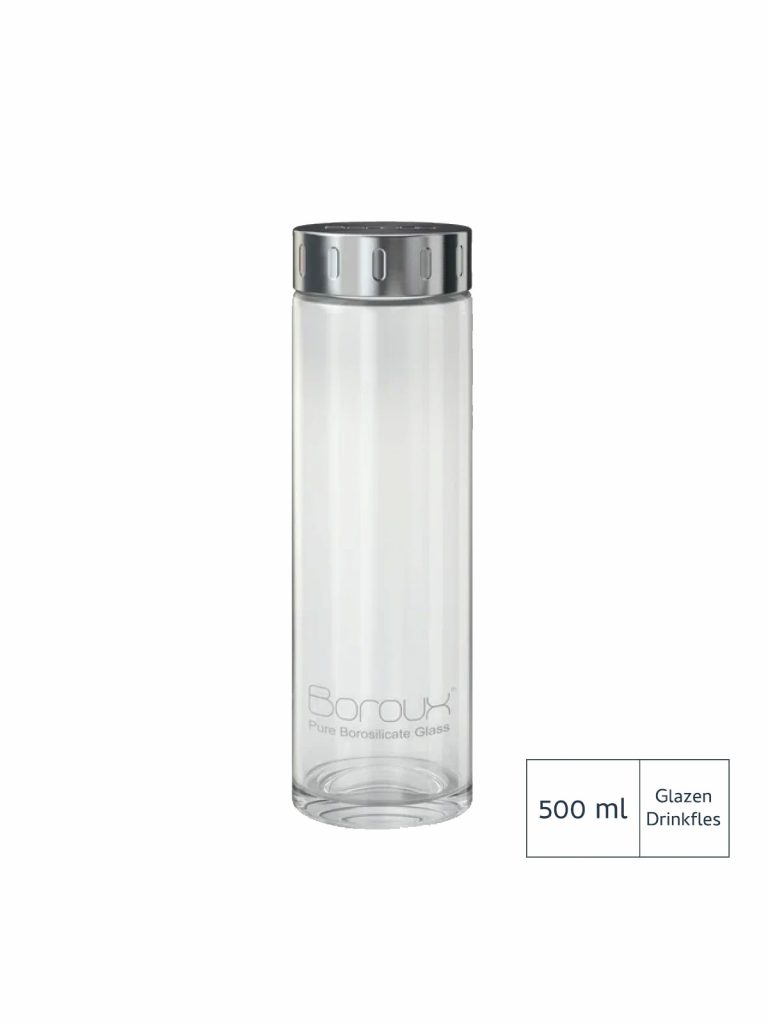
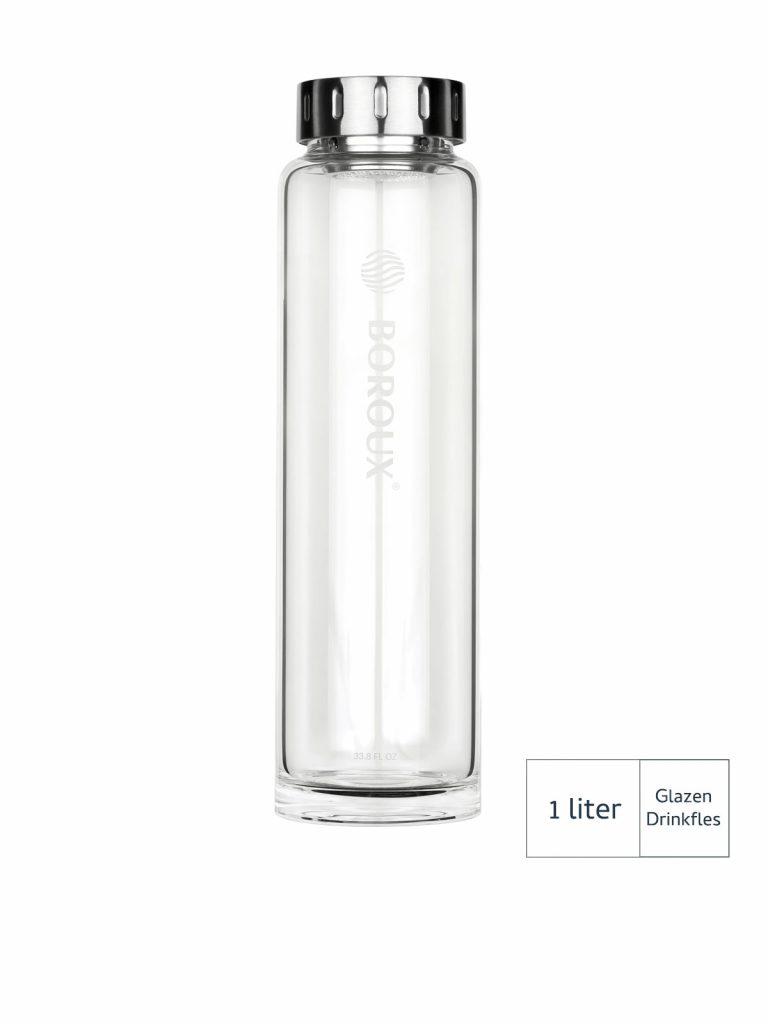
BOROUX glazen drinkfles 500 ml

0,5 L

€ 13,95

(2 klantbeoordelingen)

SPECIAL OFFER

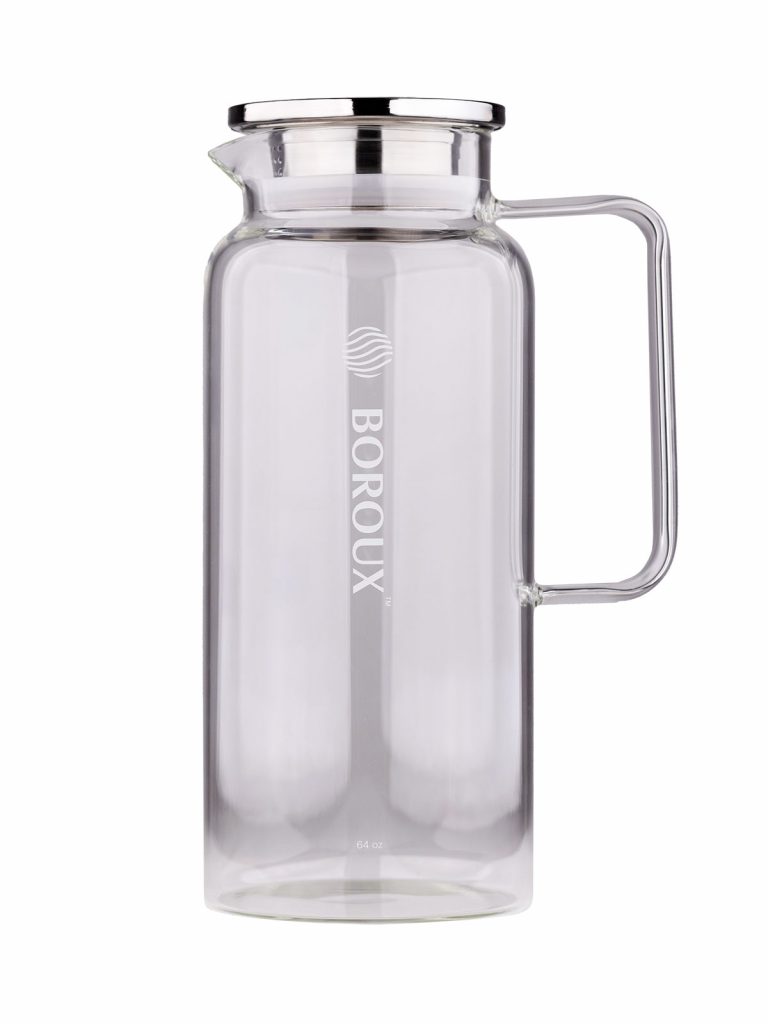
BOROUX glazen schenkkan 1,9L

1,9 L

€ 29,95

SPECIAL OFFER

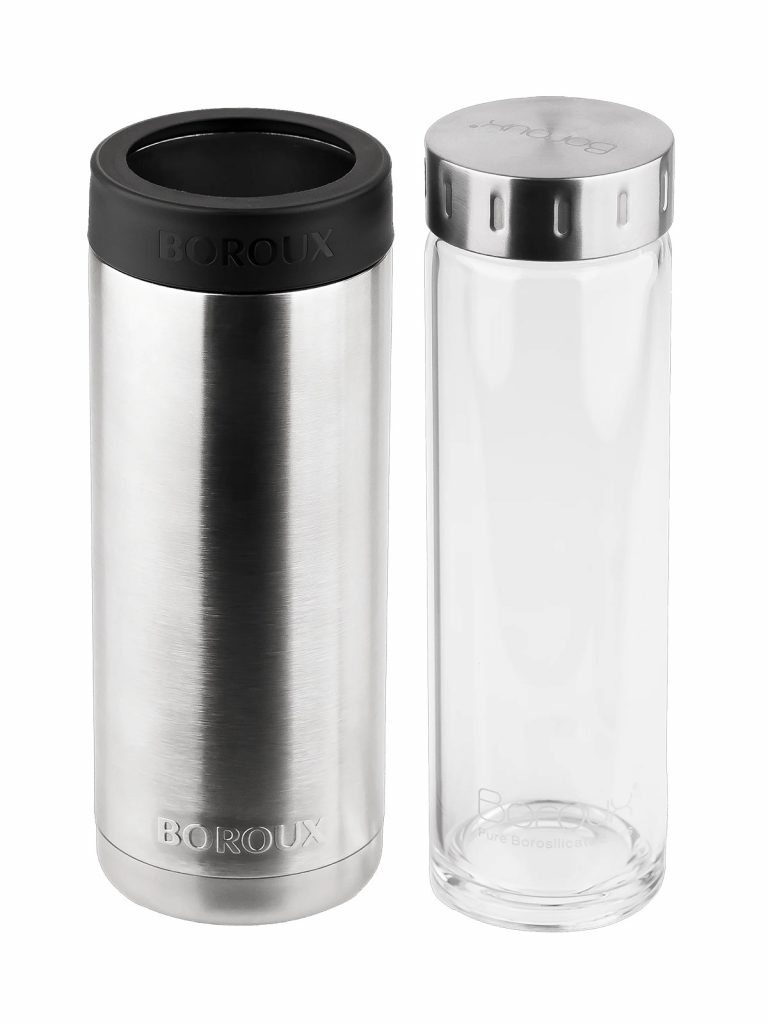
BOROUX Glass Water Bottle Set – 500 ml Water Bottle + Move Sleeve

0,5 L

The original price was: €42.90.€ 38,60The current price is: €38.60.

(1 klantbeoordeling)

SPECIAL OFFER

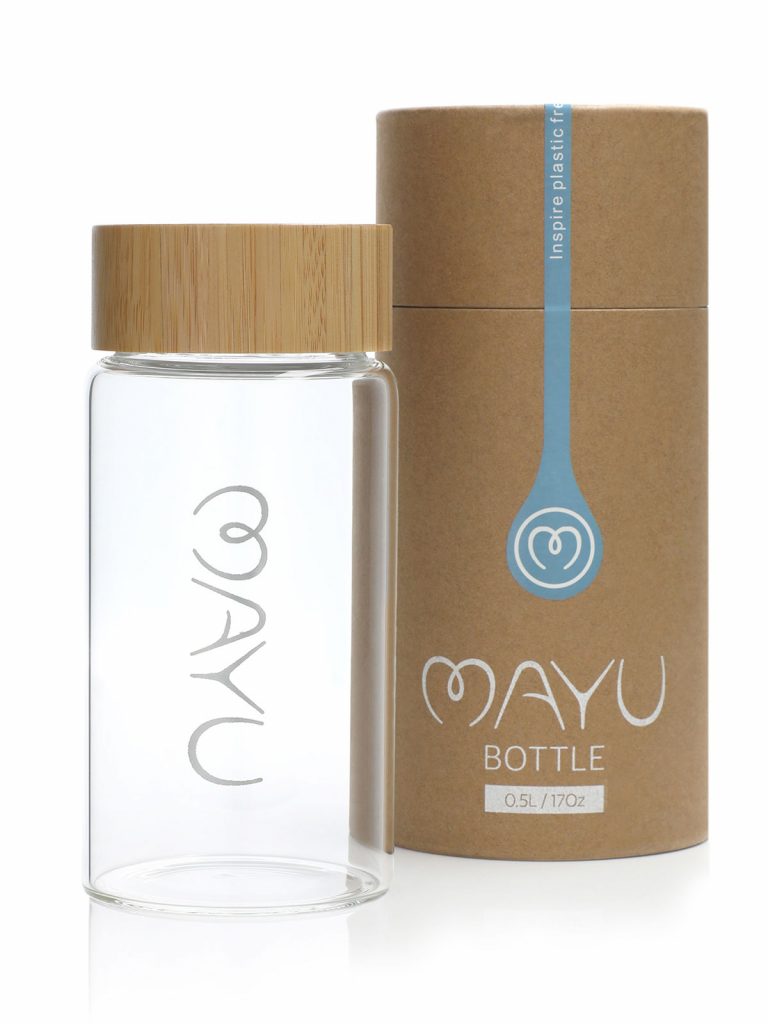
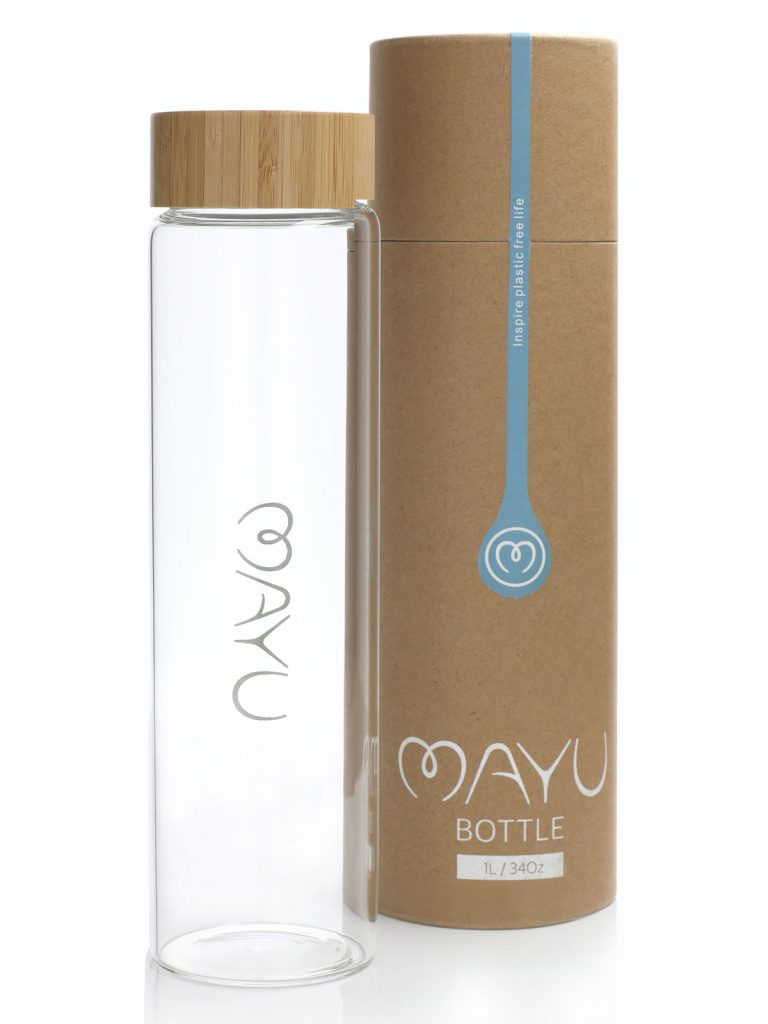
MAYU “One” glazen drinkfles 1 liter – met uitneembaar zeefje

1 L

€ 44,00

(1 klantbeoordeling)

SPECIAL OFFER

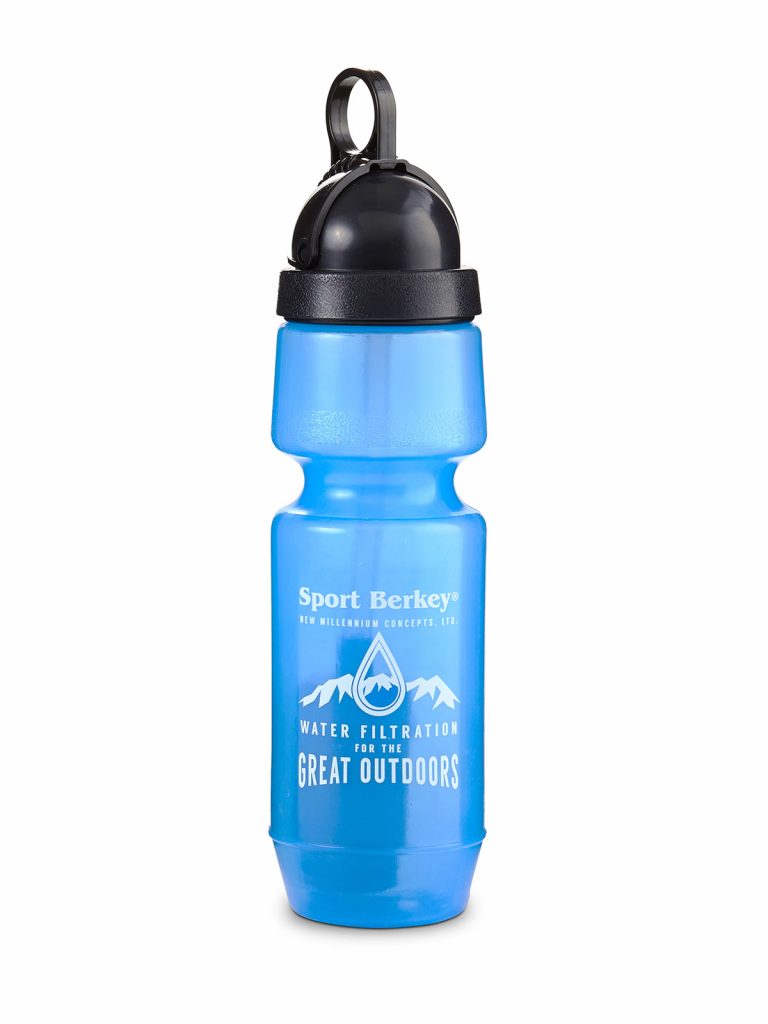
Sport Berkey Water Bottle with Filter 700 ml

0,7 L

€ 51,00

(4 klantbeoordelingen)

SPECIAL OFFER

MAYU “Magnum” glazen drinkfles 1,5 liter – met uitneembaar zeefje

1,5 L

€ 54,00

(1 klantbeoordeling)

Frequently Asked Questions About Berkey Water Filters

Find answers to frequently asked questions about Berkey products here. These answers are updated from time to time. All answers are based on information from the manufacturer’s knowledge base, supplemented by our own experiences.

The Environmental Working Group (EWG) tested 10 water filtration systems for their ability to remove 25 individual per- and polyfluoroalkyl substances (better known as “PFAS”) from tap water. In the EWG’s tests, the Berkey water filter (equipped with Black Berkey filter elements) removed PFAS to undetectable levels, earning the system a place in the “Best Overall” category.

The Berkey water filter was also praised for its large capacity compared to other water filters tested, and its “exceptionally long filter life” (each pair of authentic Black Berkey filter elements can filter up to approximately 22,700 liters (11,350 liters each) of tap water before replacement is recommended). CBS News Philadelphia produced a news report on the EWG tests, in which the Berkey water filter is mentioned. You can watch it here. CBS Colorado also mentioned the Berkey water filter in a TV news segment about the EWG test, which you can watch here.

The EWG’s water filter test results were released a week after the United States Geological Survey (USGS) published its study showing that the drinking water of nearly half of U.S. households contains at least one type of PFAS. PFAS have been in use since at least the 1950s and have been linked to a wide range of health problems in humans, including certain types of cancer and developmental, metabolic, and immune disorders, among others. PFAS are called “forever chemicals” because they take a very long time to break down in the environment.

To protect yourself from PFAS in your drinking water, you need to make sure you have a final filtration system. Consider, for example, a Berkey water filter equipped with the powerful Black Berkey filter elements, which have been independently tested by accredited laboratories to remove perfluorinated chemicals to levels below the detection limit.

Read more:
- EWG: News Release | Guide to PFAS Water Filters
- CBS Colorado: Which Water Filters Can Block PFAS
- CBS News Philadelphia: Environmental Group Tests to Find the Best Water Filters for Removing PFAS
- New Study: “Forever Chemicals” Found in Nearly Half of U.S. Tap Water
- Do Black Berkey® Elements Remove PFAS and Other PFCs from Drinking Water?
- Black Berkey® Elements: The Final Barrier Against PFOA and Other PFCs in Drinking Water
For all laboratory test results for the Berkey water filter: click here. You will be redirected to the manufacturer’s knowledge base, where all results are listed on a single page. These results cover all tests conducted using the Black Berkey filter elements, which are the filter elements used in the Berkey water filter.

This page also includes the test report for the Berkey Fluoride & Arsenic (PF-2) filter cartridges.

The top container of your Berkey water filter should be completely filled in about 2 hours (a small layer of water will remain). The more successful the priming, the faster the flow rate will be. So if it takes longer than 2 hours, we recommend priming again. If this is your first time, the priming likely did not go well, and there is still too much air trapped in the Black Berkey filter elements. If you’ve been using the system for a while, this is a sign that you need to prime it again.

Priming ensures that the air is removed from the filters, which allows them to flow more quickly again. You can use the Priming Button, the Black Berkey Primer, or the blue Primer Rite for this. See also the instructional videos.

Is this your first time using the Berkey water filter? If so, here’s something important to keep in mind:
— the filtration rate will increase slightly during the first 12 to 24 hours.

If the speed remains low and water is still in the upper tank after well over 2 hours, please contact us and we’ll be happy to assist you.

It’s perfectly normal for a few centimeters of water to remain in the upper chamber. This is because the Black Berkey filter elements sit on a rim, and water naturally cannot pass over this rim. In addition, the water pressure is very low when there’s only a small amount of water left in the upper chamber, which prevents the water from flowing through. This applies when the water level is still just slightly above the rim of the filter element.

You can discard any remaining water if you're refilling the top chamber of your Berkey water filter.

This is possible! No two Black Berkey filter elements are exactly the same—they’re all unique. As a result, one filter element may be used up faster than another. These differences arise during production (the baking process), and while filters from the same box are often similar, this isn’t always the case. So it’s not a problem and nothing to worry about.

If you notice a significant difference in the filtration rate of the Black Berkey filters, this is a sign that it’s time to prime them again. Before cleaning, try to resolve the issue first by priming the Black Berkey filter elements again. You shouldn’t clean them too often; when using tap water, once every 6 months is sufficient. If priming doesn’t improve the filtration rate, then it’s time to clean them. But after cleaning, you’ll need to prime them again.

Priming ensures that the air is released from the filters, which allows them to flow more quickly again. After using them for a while, air gradually builds up in the filters again. You can use the Priming Button, the Black Berkey Primer, or the blue Primer Rite for this. See also the instructional videos.

If you do need to clean the filters, please refer to the instructions under the heading "Cleaning, Maintenance, and Storage."

This is what's known as an "airlock." In this case, the containers fit together so perfectly that no air can get in. It's hard to predict in advance when this will happen, because sometimes they fit together too perfectly.

There are two ways to solve this problem:

Option 1. Use the Anti-Airlock Clip. If you ordered a Berkey water filter starting in the summer of 2022, you’ve already received it. This clip is included in the Priming Starter Kit, which has been provided free with every Berkey water filter starting in the summer of 2022. If you do not have the Priming Starter Kit , you can order the Anti-Airlock Clip separately from us; click here.
Place the clip on the rim of the lower chamber, with the rounded side facing outward. Then place the upper chamber back on top. This will allow sufficient air to enter, preventing a vacuum from forming, and the water will flow out normally.

Option 2. You can also try rotating the top container into different positions to see if that improves the fit and allows air to pass through. Another solution is to “roll” the lower housing:
- Carefully remove any Black Berkey filter elements from the system and set the upper housing aside.
- If already installed, remove the faucet from the lower housing.
- Place a towel on a smooth, hard surface. Place the lower chamber on its side on the towel, holding the towel firmly in place.
- Apply light pressure with both hands to the side of the lower chamber; roll the chamber back and forth across the hard surface. Focus your attention on the upper part of the lower chamber. This will slightly reshape the lower chamber and allow for proper airflow between the upper and lower chambers.

If you choose to roll the dice, it might not be resolved after just one try, but in that case, you could try again.

The Fluoride and Arsenic filters (PF-2) last for up to 3,700 liters of water or 1 year, whichever comes first. Of course, it’s very difficult to keep track of the number of liters, so we recommend using them for one year.

The filter's lifespan varies depending on the source water and the level of contamination. The recommendation for when to replace the filter depends on several factors. For example, when filtering chlorine, the filters last for more than 45,000 liters per pair. However, there are various contaminants in the water, and their concentrations can vary.

The Black Berkey filters are designed to last for many years. However, we now live in a different time than we did a few years ago. The number of contaminants has only increased, and they have become increasingly severe (think, for example, of PFAS or the significant rise in pharmaceutical residues, pesticides, etc.). This has a huge impact on the filters, meaning they need to be replaced a bit sooner. Of course, it’s difficult to keep track of exactly what’s in the water and in what quantities, which is why we recommend replacing Black Berkey filters every 3 years at most when using tap water. If you use water from another source, we recommend replacing them sooner.

It’s good to know that a Berkey water filter doesn’t completely remove calcium from the water. Larger amounts are reduced, and synthetic calcium is removed. However, a Berkey water filter retains beneficial minerals (those that occur naturally in water and are good for human health) in the water. And calcium is one of them. So you retain the mineral calcium in the water, and this can still cause some scaling. In short, a Berkey water filter is not designed to remove calcium from the water.

If water is leaking from the faucet connection, it’s most likely because the faucet isn’t installed properly. So, empty the bottom tray and disassemble the faucet. Then check to make sure all the parts are in the right place. It’s important to have one rubber O-ring on the outside and one rubber O-ring on the inside. Next, reinstall the faucet and tighten the nut (on the inside) as much as possible. Then hold the nut on the inside in place and turn the faucet on the outside. You’ll notice that it tightens even further. Keep doing this until you can’t tighten it any further. If the faucet isn’t straight, do the following: release the nut on the inside and turn only the faucet on the outside until it’s straight. This is because the entire unit rotates as one piece. If you accidentally turn it too far, DO NOT turn it back. Doing so will loosen it again. So if you’ve gone too far, simply turn the entire unit again until it’s properly secured.
If done correctly, the faucet should no longer leak at the connection.

If water gets between the top and bottom chambers of your Berkey water filter, it means the bottom chamber is too full. This happens when the top chamber is refilled while the bottom chamber isn’t empty yet. In that case, the water simply continues to filter through, causing the lower chamber to overflow. The excess water then leaks out between the two chambers.
It’s best to fill the upper chamber completely the first time you refill it. Let this water run through. When you notice that the lower tank is almost empty (as indicated by the sight glass valve or the water pressure), refill the upper tank completely. You can do this because the upper tank is slightly smaller than the lower tank, and the filters in the upper tank take up space. The lower tank therefore has excess capacity compared to the upper tank. By doing it this way, you prevent water from leaking between the two tanks.

IMPORTANT PRELIMINARY INFORMATION
The red food coloring test is intended solely to verify that your Berkey water filter is assembled correctly—ensuring that no water is coming from anywhere other than the stems of the Black Berkey filter elements and that the filters are not exhausted. Berkey Water Systems does not have independent test results showing the percentage by which the red food dye is filtered out. Therefore, they cannot officially claim that this contaminant is reduced. Consequently, if the instructions below are not followed—for example, if a higher concentration of red food dye is used—it is likely that the dye will not be reduced by 100%. It is therefore important to follow the instructions below carefully, paying particular attention to the amount of red food coloring used and ensuring that the test is not performed more than twice a year.

The Black Berkey filter cartridges are powerful enough to remove red food coloring from water. By conducting a red food coloring test, you can be sure that your Berkey water filter system is working properly.

GUIDELINES

  • We recommend performing this test the first time you use the system and then every six months (after cleaning) to ensure that the Black Berkey filter elements are working properly.
  • The red dye test is intended only for Black Berkey filter cartridges and NOT for other filter cartridges (such as the Fluoride & Arsenic filters) that do not filter out the dye. This test is also not recommended for the Sport Berkey water bottle.
  • Make sure the food coloring is RED. Red food coloring (unlike the other colors) does not contain any minerals, so the system recognizes it as a contaminant. Also, do not use natural red food coloring (such as beet juice), as this is not recognized as a contaminant either. The goal is to use a synthetic red food coloring, so be sure to use theoriginal red food coloring.
  • The red dye test must be performed after the Black Berkey filter elements have been primed.

CONDUCTING THE TEST

NOTE: Check out ourinstructional videos for a clip showing how to perform the red dye test.

1. Start with an empty water filtration system (upper and lower chambers) and remove any fluoride filters (if installed).
2. Place only the upper chamber (with the Black Berkey filter elements installed) on glasses of similar size (so that the filter stems protrude from the glass). This makes it easy to immediately see which filter passes and which fails the test.
3. In a separate pitcher, add 3 drops (= 0.15 ml) of food coloring per liter of water and mix (a bottle of original red food coloring is enough to perform a full test multiple times). Pour the red water into the upper reservoir until the filters are completely submerged. Note: Never pour red food coloring directly from the bottle onto the filters or into the upper reservoir. Always mix the food coloring with water in a separate pitcher first.
4. Allow the water to filter from the upper reservoir into the glasses below. When the glasses are three-quarters full, pour the remaining water out of the top reservoir. Note: The glasses may fill at different rates.
5. Check the water in each glass. It should be clear, without a pink or red tint. If the water in any of the glasses is red or has a pink tint, that specific filter may be defective or spent. See below.

IF YOU NOTICE A RED COLOR IN THE WATER, CHECK THE FOLLOWING:

1. Are the wing nuts tightened properly? Do not tighten the wing nuts with a tool; they should be tightened by hand until you feel resistance—that is sufficient. If the wing nuts are too tight, this can damage the threads on the stem and/or the grooves on the wing nut. This can affect the seal. If this has occurred, please contact us.
2. Are you using natural red food coloring or a different color of food coloring? Non-natural red food coloring is the only type recommended for this test.
3. Is the black ring from the Black Berkey filter elements also inside the top housing, and is the wing nut tightened at the bottom? If the black ring is on the outside of the bottom housing (i.e., right next to the wing nut), this is not a proper seal. As a result, the test will fail. Place the black ring on the inside of the upper chamber and repeat the test.
4. Do the plug caps properly seal the unused holes (if applicable)? Are the plug caps securely installed so that the holes are truly sealed? For plug caps with a bolt and nut, there must be a sealing ring on both sides (not just on one side). If the plugs are leaking, this will cause the test to fail. Tighten the plugs more securely and repeat the test.
5. Are you retesting a filter element that failed? If so, make sure to rinse this filter element and prime it again before retesting. Also, ensure that all the water has been drained from the lower container (or glass). If you’re using the lower container or a glass to collect water, first rinse it thoroughly with clean water. Now you’re ready to repeat the test.
6. If you’ve done all of the above and a filter element still fails the red dye test, please contact us. Black Berkey filter elements come with a two-year warranty (in periods). Review the warranty terms.

NOTE: Check out our instructional videos for a clip showing how to perform the red dye test.

The Black Berkey filters are made from a patented blend of various components, including, for example, high-quality carbonized coconut shell. Berkey Water Systems confirms that there is no graphene oxide in the composition of the filter elements.

Furthermore, Berkey Water Systems does not have any test reports available that verify the reduction of graphene oxide by the Black Berkey filters. Without test results, they cannot claim that the filter elements are capable of reducing or removing this contaminant.

There are three different types of locking plugs:

  1. Black blocker plugs are included as standard with all Berkey Light water filters and some stainless steel models. The black plugs are made of FDA-approved Buna rubber.
  2. Off-white stopper plugs (rubber cork) are available for the Berkey Light models and some stainless steel models. The off-white plugs are made of food-grade M18 pure natural rubber.
  3. White locking plugs (bolt and nut) are used in some stainless steel models. They come with a nut, a screw, and two transparent rings. The nut and screw are made of polypropylene. The rings are made of food-grade silicone.

Please note that the water in the lower chamber of your water filter will not come into contact with any of the plugs. This is because the water is filtered before it reaches the lower chamber.

Yes, the base of a Black Berkey filter element is BPA-free.

The Black Berkey filter cartridges are designed to remove heavy metals, but they will not remove the mineral salts added by a water softener. This is because a water softener adds mineral salts to the water to make it softer. The salt used to soften water is not removed by a Black Berkey filter cartridge and will actually cause the cartridge to become clogged. You can still use a Berkey water filter if it’s possible to bypass the water softener. Most water softeners have a bypass valve or a way to divert water before it passes through the softener. Therefore, we strongly recommend using that water instead of running softened water through your Black Berkey filter cartridges.

Black Berkey filter elements do not necessarily need to be cleaned every time you clean the Berkey water filter housing (the lower and upper chambers). However, this may vary depending on the region and water source. In certain parts of the world, the water is much dirtier than in other areas, and it will be necessary to clean the elements more frequently—possibly even more often than cleaning the rest of the system requires. If your water is muddy or very dirty, we recommend pre-filtering it by running it through some kind of cloth—such as a shirt, sheet, bandana, etc.—before filling the Berkey water filter with it. Although this isn’t necessary, it helps keep the cleaning schedule for the filter elements to a minimum by trapping debris that could clog the pores of your Black Berkey filter elements.

When is it time to clean your filters?

  • You should clean the elements when you notice a significant decrease in flow rate.
  • You may also want to consider cleaning the elements periodically. For example, every 6 months (IMPORTANT!! Never more often than once every 6 months, unless you notice a decrease in flow rate). The advantage of this is that you won’t experience a slow flow rate. Cleaning the elements on a regular schedule is at your discretion. This is a suggestion, not a requirement.

How do you clean the filters?

  1. Empty your Berkey water filter and remove the Black Berkey filter cartridges.
  2. Use a scouring pad or a stiff brush and gently scrub the outside of the Black Berkey filter elements under cold running water.
  3. Reinstall the filters. If you're not familiar with this process, check out our instructional videos.
  4. Reinstall the Black Berkey filter cartridges in the Berkey water filter.
  5. Finally, fill your Berkey water filter and, if necessary, perform a red dye test as described in the instructional videos to ensure that the Black Berkey filter elements are still effective.

A TDS meter does not detect much of a difference between unfiltered water and water filtered through a Berkey filter. This is normal, and the reason has to do with what a TDS meter actually measures. According to tdsmeter.com , “Total Dissolved Solids (TDS) is the total amount of mobile charged ions, including minerals, salts, or metals dissolved in a given volume of water, expressed in units of milligrams per unit volume of water (mg/L), also known as parts per million (ppm).” TDS is directly related to the purity of water and the quality of water purification systems and affects everything that consumes, lives in, or uses water—whether organic or inorganic—for better or for worse.”

This statement is both correct and incorrect. It is correct in describing what a TDS measurement consists of, namely the “total amount of mobile charged ions, including minerals, salts, or metals dissolved in a given volume of water.” It is incorrect in its conclusion that TDS is related to the purity of the water and the quality of the water purification system. If the measure of a water filtration system were how close it could bring the water to pure H₂O, then it might be correct. But people need minerals to live. So beneficial minerals in your water are actually a good thing. A high-quality water filtration system should filter out substances that are harmful to your body while leaving behind the beneficial ones, such as minerals. Black Berkey filter cartridges are designed to leave healthy and beneficial minerals in the water and to remove unwanted heavy metals such as lead and mercury, as well as sedimentary minerals like iron oxide and aluminum.

So, if you use a TDS meter, you’ll find that the reading is roughly the same both before and after the water has passed through the Black Berkey filter cartridges. And that’s exactly right. The Black Berkey filter cartridges retain all the beneficial minerals. So, of the substances that a TDS meter can actually detect, the Black Berkey filter elements will remove only the undesirable heavy metals—such as lead and mercury—as well as sedimentary minerals like iron oxide and aluminum. That’s why the TDS reading won’t change much, unless your water contains a significant amount of heavy metals or sedimentary minerals.

A TDS meter does not measure the amount of biological and chemical contaminants (including, for example, chemicals, medications, hormones, many pesticides and their residues, bacteria, and viruses). The most important thing is not to rely solely on a TDS meter to determine whether your water is safe. You can have water with a low TDS level that still contains harmful bacteria. You can have water with a high TDS reading that is completely safe (e.g., pure, uncontaminated seawater… although you wouldn’t drink it, but that’s only because it’s mineral salt). So make sure you know what a TDS meter actually measures.

Once you've used your elements:

The storage method depends on how long the Black Berkey filter elements will remain unused:

If the filters are not used for 4 to 15 days and you want to avoid having to prime them again, remove the filters from the water filter, place them in a sealable bag or container, and put them in the front of the refrigerator to prevent them from freezing. This keeps the filters mostly saturated (wet), so that re-priming is usually not necessary. If, for any reason, the filters are working more slowly than usual, prime them again until water droplets begin to form on the outer wall of the filter for 10 seconds.

For long-term storage, we recommend drying the filters and storing them in a sealed container. It’s important that they are completely dry before being stored long-term to prevent potential bacterial growth. One way to dry your filters is to leave them on a windowsill for one to three days and let them air dry. We also offer a tool to assist with both priming and purging: the Black Berkey Primer. The advantage of purging Black Berkey filter elements with the Black Berkey Primer is that they dry very quickly. Once the filters are completely dry, place them in a storage bag, such as a large, sealable bag. The elements are extremely powerful and can absorb odors and smoke from the air. By sealing them in a bag, they cannot absorb odors from the air. When you’re ready to use the filters again, clean them by scrubbing the outside with a scouring pad or a stiff brush. Then prime the filters again—either by hand or with the Black Berkey Primer—before reinserting them into the water filter.

In theory, the Black Berkey filter elements have an unlimited lifespan.

**Please note that the storage methods listed above apply only to Black Berkey filter cartridges.

If you've never used these elements before:

If the cartridges are unopened and still in their original packaging, make sure not to store them in a room with strong odors (such as a laundry room or garage). Since the elements contain carbon as one of their components, they may absorb odors from the room in which they are stored. For example, if they are stored in a laundry room, they may pick up the scent of strongly scented items such as laundry detergent.

** If you are also storing the top and bottom chambers of your Berkey system, it is best to empty both chambers before storing them. Water that sits for a long time promotes the growth and reproduction of bacteria. We recommend washing your Berkey system with soapy water before letting it dry.

If you've already used the elements:

The Berkey Fluoride & Arsenic filter cartridges (PF-2) can be stored in the refrigerator for a short time (see below); however, be sure not to store them in the freezer. To do this, remove the filters from the water filter, place them in a sealable bag or container, and store them toward the front of the refrigerator to prevent them from freezing.

The Fluoride & Arsenic filter cartridges (PF-2) last only one year. “Short-term” therefore refers to the next use within that year. Keep in mind that the longer the cartridges are not in use, the more their ability to filter fluoride and arsenic may decrease. In addition, it is advisable to prime them every 2 weeks while they are in storage to keep the filtration process active.

If you've stored them in the refrigerator, we recommend priming the Berkey Fluoride & Arsenic filter elements (PF-2) again before using them. Do this for up to 1 minute in each direction.

The Berkey Fluoride & Arsenic filter cartridges (PF-2) should not be allowed to air-dry, as this can cause some bacterial growth in the filters.

If you've never used these elements before:

If the batteries are unopened and still in their original packaging, make sure not to store them in a room with a strong odor, such as a laundry room or garage. Since the elements contain carbon as one of their components, they may absorb odors from the room where they are stored. For example, if they are stored in a laundry room, they may pick up the scent of strongly scented items such as laundry detergent.

Frequently Asked Questions About Boroux Water Filters

Yes, the stainless steel housing is essential for optimal performance. It supports the upflow design, which directs water from the bottom to the top, thereby reducing the flow rate and increasing the contact time between the water and the filter media. This optimized interaction improves fluoride reduction and overall effectiveness.

Yes, you need one BOROUX Proactive™ Fluoride filter for each BOROUX Foundation™ Black filter in your system. The BOROUX Proactive™ Fluoride filters are designed as a 1-to-1 product, which means that each fluoride filter connects directly to one BOROUX Foundation™ Black filter.

This ensures balanced flow, effective filtration, and maximum fluoride reduction throughout your entire system.

Proudly made in the U.S.! So not in China or any other Asian country.

The BOROUX Proactive™ Fluoride filter consists of two distinct layers. The inner layer is granulated carbon: small, loose granules made from a mixture of different carbon materials are packed into the center of the cylindrical filter. The outer layer of the filter is nanocarbon. This blend of specialized carbon materials is molded into shape.

The filter's lifespan varies depending on the water source (the quality of the water that goes through it) and usage. It is recommended to replace filters after 3,750 liters, which is approximately 6–12 months.

Arsenic testing has not yet been conducted.

The first filtration stage occurs when the water flows through the proven BOROUX Foundation™ Black activated carbon filters. The BOROUX Proactive™ Fluoride filter is screwed onto the stem of the BOROUX Foundation™ Black filter and secured in place. The second filtration stage occurs when the water flows through the dual-action BOROUX Proactive™ Fluoride filter.

After the water has passed through the filters in the upper chamber, it first comes into contact with the inner layer of the highly efficient granulated carbon filters in the lower chamber. The water then filters through the patented nanocarbon outer layer. Thanks to the patented Upflow design of the stainless steel housing, the water remains in contact with the outer layer for an extended period, ensuring superior filtration. The filtered water exits the housing through the outlet holes at the top. This ensures virtually uniform use of the entire surface of the fluoride filters, from bottom to top.

Yes, the BOROUX Proactive™ Fluoride filters are designed to be fully compatible with Berkey water filters. They attach directly to the Black Berkey filters and are therefore also placed in the lower chamber, just like Berkey’s fluoride filters. This allows you to continue using your existing Berkey system while benefiting from BOROUX’s advanced fluoride-reducing technology. Of course, they also fit into the housings of other brands of gravity-fed water filters, provided that Black Berkey filters or BOROUX Foundation™ Black filters are used.

Do you need help determining compatibility? If so, please contact us!

You may notice a subtle earthy or mineral-like taste when you first use your new BOROUX Proactive™ Fluoride filters. This is completely normal and temporary.

These filters use high-quality filter media that may initially impart a mild taste. To prevent or resolve this, we recommend priming each filter for at least 10 minutes with higher water pressure before installing them. Using warm water (about 38 °C) is an important tip in this regard. In tests, this method has resolved the taste issue in 100% of cases.

For the most effective priming, use the blue silicone primer that came with the filters or the BOROUX Automatic Filter Primer Pump (electric). These help rinse the filters thoroughly and ensure that your water tastes great right from the start.

Improper priming can lead to cloudy water, reduced flow rate, uneven filtration, and a shorter filter lifespan. The primer pump ensures consistent, proper priming for optimal filter performance.

On the contrary, using the Primer Pump ensures complete and consistent priming, which extends the life of your filter and optimizes filtration performance.

Yes. The Primer Pump is compatible with Black Berkey filters and BOROUX Foundation™ Black and BOROUX Proactive Fluoride filters (adapter included with fluoride filters).

No, the Primer Pump is not waterproof. Do not completely submerge the Primer Pump in water.

The light on your primer pump gives you a quick overview of the current battery status. Here's what each color and the way the light is glowing mean:

Solid green: fully charged and ready for use
Flashing green: charging
Flashing red: battery level is below 25%—charge soon
Solid red / no light / empty: battery is almost empty—must be charged immediately

If you're not sure whether the pump is working properly, we recommend fully charging it and checking the indicator light again.

With a fully charged battery, you can prime at least 10 filters before you need to recharge the pump.
It takes about 90 seconds to fully prime one filter.

The cap is made of high-quality stainless steel (304).

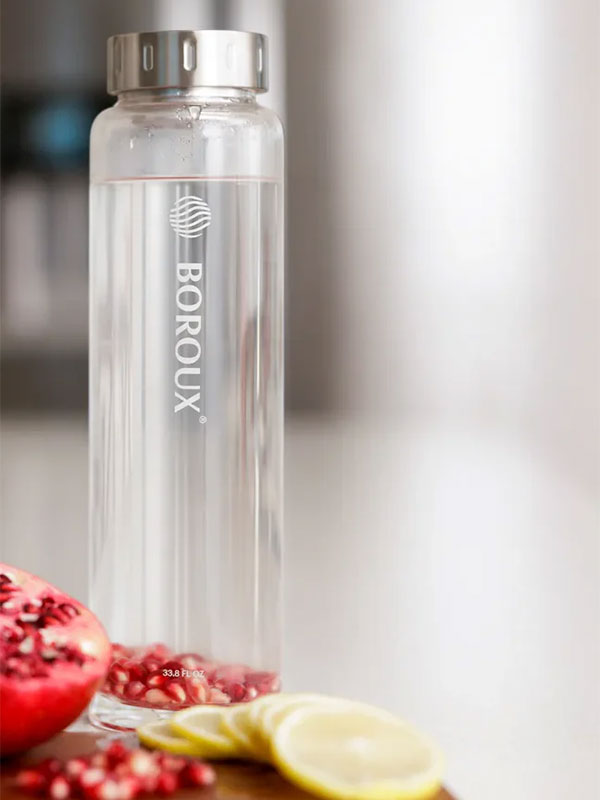
Yes, the BOROUX glass water bottle is dishwasher-safe, but the stainless steel cap should only be washed by hand.

BOROUX glass water bottles can be reused repeatedly without releasing harmful chemicals into the water. The cap is made of stainless steel both inside and out and features a silicone seal. With the BOROUX glass water bottle, you can enjoy the convenience of plastic without putting your health at risk.

Although borosilicate glass is resistant to temperature changes (because it does not expand like ordinary glass), we recommend using BOROUX glass drinking bottles only for cold beverages.

Borosilicate glass has a wide range of applications. It is often used in cookware and laboratory equipment, as well as in high-end products such as optical lenses, implantable medical devices, and aerospace equipment. It is also a popular material among artists, such as glass sculptors.

Although it is not completely unbreakable, it is more durable than regular glass. The bottom of the BOROUX glass water bottle is about 300% thicker than that of competing bottles to prevent breakage. When broken, borosilicate glass tends to shatter into large pieces rather than shatter into small fragments (it will break rather than shatter).

Borosilicate glass is a higher-quality type of glass that is stronger, more durable, and, above all, more resistant to cracking and thermal shock.

No, the Move Sleeve should only be hand-washed.

Absolutely! The sleeve is vacuum-insulated to keep beverages hot or cold for a long time.

You can use your BOROUX glass water bottle in your Move Sleeve to keep cold drinks cold for a long time. Keep ice frozen all day long.

Borosilicate glass is resistant to temperature fluctuations (because it doesn't expand like regular glass). We recommend using the Move Sleeve for hot liquids only if you place the glass water bottle inside the Move Sleeve first before pouring the liquid into it, because the glass will be very hot.

The white silicone ring is designed to be placed at the bottom of the Move Sleeve to stabilize the bottle. However, not all bottles need the ring; it’s mainly there if the bottle fits a little loosely in the Move Sleeve. If you’re having trouble with the threads at the top, try adjusting or removing the ring to see if that solves the problem.

No, the Move Sleeve is sold separately and is designed for the 500-ml BOROUX glass water bottle.

IMPORTANT PRELIMINARY INFORMATION
The red dye test is intended solely to verify that your water filter is installed correctly—ensuring that no water comes from anywhere other than the stems of the BOROUX Foundation™ Black filter elements and that the filters are not depleted. There are no independent test results showing the percentage by which the red food dye is filtered out. Therefore, no official claim is made that this contaminant is reduced. If the instructions below are not followed—for example, if a higher concentration of red dye or a different type of red dye is used—it is likely that it will not be reduced by 100 percent. It is therefore important to follow the instructions below carefully, with particular attention to the amount of red food coloring used and ensuring that the test is not performed more than twice a year.

The BOROUX Foundation™ Black filter cartridges are powerful enough to remove red food coloring from water. By performing a red food coloring test, you can be sure that your water filtration system is working properly.

GUIDELINES

  • We recommend performing this test the first time you use the product and then every six months (after cleaning) to ensure that the BOROUX Foundation™ Black filter elements are working properly.
  • The red dye test is intended only for BOROUX Foundation™ Black filter elements and NOT for other filter elements (such as fluoride filters) that do not filter out the dye.
  • Make sure the food coloring is RED. Red food coloring (unlike the other colors) does not contain any minerals, so the element recognizes it as a contaminant. Also, do not use natural red food coloring (such as beet juice); this, too, is not recognized as a contaminant. The goal is to use a synthetic red food coloring, so be sure to use the original red food coloring.
  • The red dye test must be performed after the BOROUX Foundation™ Black filter elements have been primed.

CONDUCTING THE TEST

NOTE: Check out our instructional videos for a clip showing how to perform the red dye test.

1. Start with an empty water filter system (top and bottom tanks) and remove any fluoride filters (if installed).
2. Place only the top tank (with the BOROUX Foundation™ Black filter elements installed) on glasses of similar size (so that the filter stems protrude from the glass). This makes it easy to see right away which filter passes and which fails the test.
3. In a separate pitcher, add 3 drops (= 0.15 ml) of food coloring per liter of water and mix (a small bottle of original red food coloring is enough to perform a full test multiple times). Pour the red water into the upper reservoir until the filters are completely submerged. Note: Never pour red food coloring directly from the bottle onto the filters or into the upper reservoir. Always mix the food coloring with water in a separate pitcher first.
4. Allow the water to filter from the upper reservoir into the glasses below. When the glasses are three-quarters full, pour the remaining water out of the top reservoir. Note: The glasses may fill at different rates.
5. Check the water in each glass. It should be clear, with no pink or red tint. If the water in any of the glasses is red or has a pink tint, that specific filter may be defective or worn out. See below.

IF YOU NOTICE A RED COLOR IN THE WATER, CHECK THE FOLLOWING:

1. Are the wing nuts tightened properly? Do not use tools to tighten the wing nuts; they should be tightened by hand until you feel resistance—that is sufficient. If the wing nuts are too tight, this can damage the threads on the stem and/or the grooves on the wing nut. This can affect the seal. If this has occurred, please contact us.
2. Are you using natural red food coloring or a different color of food coloring? Non-natural red food coloring is the only type recommended for this test.
3. Is the black ring from the BOROUX Foundation™ Black filter elements also in the upper chamber, and is the wing nut tightened at the bottom? If the black ring is on the outside of the lower chamber (i.e., right next to the wing nut), this does not provide a proper seal. As a result, the test will fail. Place the black ring on the inside of the upper housing and repeat the test.
4. Do the blind plugs properly seal the unused holes (if applicable)? Are the blind plugs securely installed so that the holes are truly sealed? For blind plugs with a bolt and nut, there must be a sealing ring on both sides (not just on one side). If the plugs leak, this will cause the test to fail. Tighten the plug caps more securely and repeat the test.
5. Are you retesting a filter element that previously failed? If so, be sure to rinse this filter element and prime it again before retesting. Also, make sure all the water has been drained from the bottom container (or glass). If you’re using the lower container or a glass to collect water, first rinse it thoroughly with clean water. You’re now ready to repeat the test.
6. If you’ve done all of the above and a filter cartridge still fails the red dye test, please contact us. The BOROUX Foundation™ Black filter cartridges come with a one-year warranty.

NOTE: Check out ourinstructional videos for a clip showing how to perform the red dye test.

Once you've used your elements:

The storage method depends on how long the BOROUX Foundation™ Black filter elements will remain unused:

If the filters are not used for 4 to 15 days and you want to avoid having to prime them again, remove the filters from the water filter, place them in a sealable bag or container, and put them in the front of the refrigerator to prevent them from freezing. This keeps the filters mostly saturated (wet), so that re-priming is usually not necessary. If, for any reason, the filters are working more slowly than usual, prime them again until water droplets begin to form on the outer wall of the filter for 10 seconds.

For long-term storage, we recommend drying the filters and storing them in a sealed container. It is important that they are completely dry before being stored long-term to prevent potential bacterial growth. One way to dry your filters is to leave them on a windowsill for one to three days and let them air dry. We also offer a tool to assist with both priming and purging. This is the BOROUX Automatic Filter Primer Pump (electric) or Black Berkey Primer. The advantage of purging the BOROUX Foundation™ Black filter elements is that they dry very quickly. Once the filters are bone dry, place them in a storage bag, such as a large, sealable bag. The elements are extremely powerful and can absorb odors and smoke from the air. By sealing them in a bag, they cannot absorb odors from the air. When you’re ready to use the filters again, clean them by scrubbing the outside with a scouring pad or a stiff brush. Then, prime the filters again—either manually or using the BOROUX Automatic Filter Primer Pump (electric) or Black Berkey Primer—before reinserting them into the water filter.

In theory, the shelf life of the BOROUX Foundation™ Black filter elements is unlimited.

**Please note that the storage methods listed above apply only to BOROUX Foundation™ Black filter elements.

If you've never used these elements before:

If the cartridges are unopened and still in their original packaging, make sure not to store them in a room with strong odors (such as a laundry room or garage). Since the elements contain carbon as one of their components, they may absorb odors from the room in which they are stored. For example, if they are stored in a laundry room, they may pick up the scent of strongly scented items such as laundry detergent.

** If you’re also storing the top and bottom containers of your water filter, it’s best to empty both containers before storing them. Water that sits for a long time promotes the growth and reproduction of bacteria and mold. We recommend washing your water filter with soapy water before letting it dry.

A TDS meter does not detect much of a difference between unfiltered water and water filtered with a BOROUX. This is normal, and the reason has to do with what a TDS meter actually measures. According to tdsmeter.com , “Total Dissolved Solids (TDS) is the total amount of mobile charged ions, including minerals, salts, or metals dissolved in a given volume of water, expressed in units of milligrams per unit volume of water (mg/L), also known as parts per million (ppm). TDS is directly related to the purity of water and the quality of water purification systems and affects everything that consumes, lives in, or uses water—whether organic or inorganic—for better or for worse.”

This statement is both correct and incorrect. It is correct in terms of what a TDS measurement represents, namely the “total amount of mobile charged ions, including minerals, salts, or metals dissolved in a given volume of water.” It is incorrect in its conclusion that TDS is related to the purity of the water and the quality of the water purification system. If the measure of a water purification system were how close it could bring the water to pure H₂O, then it might be correct. But people need minerals to live. So beneficial minerals in your water are actually a good thing. A high-quality water purification system should filter out substances that are harmful to your body while leaving behind beneficial substances such as minerals. BOROUX Foundation™ Black filter cartridges are designed to retain healthy and beneficial minerals in the water while removing unwanted heavy metals such as lead and mercury, as well as sedimentary minerals such as iron oxide and aluminum.

So, if you use a TDS meter, you’ll find that the reading is roughly the same both before and after the water has passed through the BOROUX Foundation™ Black filter cartridges. And that’s exactly right. The BOROUX Foundation™ Black filter cartridges retain all the beneficial minerals. So, of the substances a TDS meter can actually detect, the BOROUX Foundation™ Black filter elements will remove only the undesirable heavy metals, such as lead and mercury, as well as sedimentary minerals like iron oxide and aluminum. That’s why the TDS reading won’t change much unless your water contains a significant amount of heavy metals or sedimentary minerals.

A TDS meter does not measure the amount of biological and chemical contaminants (including, for example, chemicals, medications, hormones, many pesticides and their residues, bacteria, and viruses). The most important thing is not to rely solely on a TDS meter to determine whether your water is safe. You can have water with a low TDS level that still contains harmful bacteria. You can have water with a high TDS reading that is completely safe (e.g., pure, uncontaminated seawater… although you wouldn’t drink it, but that’s only because it’s mineral salt). So make sure you know what a TDS meter actually measures.

The BOROUX Foundation™ Black filter elements are designed to remove heavy metals, but they will not remove mineral salts added by a water softener. This is because a water softener adds mineral salts to the water to make it softer. The salt used to soften water is not removed by a BOROUX Foundation™ Black filter cartridge and will actually cause the cartridge to clog. You can still use a BOROUX water filter if it’s possible to bypass the water softener. Most water softeners have a bypass valve or a way to divert water before it passes through the softener. Therefore, we strongly recommend using that water instead of running softened water through your BOROUX Foundation™ Black filter cartridges.

If water gets between the upper and lower chambers of your BOROUX water filter, it means the lower chamber is too full. This happens when the upper chamber is refilled while the lower chamber is not yet empty. In that case, water simply continues to flow through the filter, causing the lower tank to overflow. The water then leaks out between the two tanks.
It’s best to fill the upper tank completely the first time you refill it. Let this water run through. When you notice that the lower tank is almost empty (as indicated by the sight glass valve or by the water pressure), refill the upper tank completely. You can do this because the upper tank is slightly smaller than the lower tank, and the filters in the upper tank take up space. The lower tank therefore has excess capacity compared to the upper tank. By doing it this way, you prevent water from leaking between the two tanks.

If water is leaking from the faucet connection, it’s most likely because the faucet isn’t installed properly. So, empty the bottom tray and disassemble the faucet. Then check to make sure all the parts are in the right place. It’s important to have one rubber O-ring on the outside and one rubber O-ring on the inside. Next, reinstall the faucet and tighten the nut (on the inside) as much as possible. Then hold the nut on the inside in place and turn the faucet on the outside. You’ll notice that it tightens even further. Keep doing this until you can’t tighten it any further. If the faucet isn’t straight, do the following: release the nut on the inside and turn only the faucet on the outside until it’s straight. This is because the entire unit rotates as one piece. If you accidentally turn it too far, DO NOT turn it back. Doing so will loosen it again. So if you’ve gone too far, simply turn the entire unit again until it’s properly secured.
If done correctly, the faucet should no longer leak at the connection.

It’s good to know that a BOROUX water filter doesn’t completely remove calcium from the water. Larger amounts are reduced, and synthetic calcium is removed. However, a BOROUX water filter retains beneficial minerals (those that occur naturally in water and are good for human health) in the water. And calcium is one of these. So you retain the mineral calcium in the water, and this can still cause some scaling. In short, a BOROUX water filter is not designed to remove all the calcium from the water.

If you notice a significant difference in the filtration rate of the BOROUX Foundation™ Black filter elements, this is a sign that it’s time to prime them again. Before cleaning, try to resolve this first by re-priming the BOROUX Foundation™ Black filter elements. You shouldn’t clean them too often; when using tap water, once every 6 months is sufficient. If re-priming does not improve the filtration rate, then it’s time to clean them. But after cleaning, you’ll need to re-prime them again.

Priming ensures that the air is released from the filters, which allows them to flow more quickly again. After using them for a while, air gradually builds up in the filters again. You can use the Priming Button, the Black Berkey Primer, or the blue Primer Rite for this. See also the instructional videos.

If you do need to clean the filters, please refer to the instructions under the heading "Cleaning, Maintenance, and Storage."

This is possible! No two BOROUX Foundation™ Black filter elements are the same—they’re all unique. As a result, one filter element may allow water to pass through faster than another. These differences arise during production (the baking process), and while filters from the same box are often similar, this isn’t always the case. So it’s not a problem and nothing to worry about.

The top chamber of your BOROUX water filter should be completely drained in about 2 hours on average (a small layer will remain). The better the priming process goes, the faster the flow rate will be. So if it takes significantly longer than 2 hours, we recommend priming again. If this is your first time, the priming likely did not go well, and there is still too much air in the BOROUX Foundation™ Black filter elements. If you’ve been using the filter for a while, this is a sign that you should prime it again.

Priming ensures that the air is removed from the filters, which allows them to flow more quickly again. You can use the Priming Button, the Black Berkey Primer, or the blue Primer Rite for this. See also the instructional videos.

Is this your first time using the BOROUX Legacy™ water filter? If so, here’s something important to note:
— the filtration rate will increase slightly over the first 12 to 24 hours.

If the speed remains low and, as a result, there is still a significant amount of water left in the upper tank after well over 2 hours, please contact us and we’ll be happy to assist you.

If your water filter is leaking from the faucet, check to see if it's installed correctly.

If your water filter is leaking where the two containers meet, it means your water filter is too full. Fill only the top container when the bottom one is (almost) empty.

White residue is mineral buildup. It is harmless and, in the case of the black filters, is no reason to replace them. If it is visible on the black filter, rinse it off under running water and wipe it down. If it is visible on the containers or the spout, scrub it off with a mixture of equal parts water and vinegar. You can also soak the spout in this mixture.

It is normal for approximately 2.5 to 5 cm of water to remain in the upper chamber. Because the BOROUX Legacy™ water filter is a gravity-fed water filter, it relies on the pressure and weight of the water to push it downward and through the filters. As the water flows into the lower chamber, there is less and less weight pushing it downward (water pressure in the upper chamber decreases). Additionally, the water cannot flow through the plastic Stem Saver.

You can discard any remaining water if you're refilling the top reservoir of your BOROUX Legacy™ water filter.

A failed red dye test may indicate an incorrect installation. Double-check the placement of the wing nuts (on the outside of the upper tank) and washers (on the inside of the upper tank).

Reinstall the filter(s) and run the test again. If it still fails, please contact us.

If the filter won't prime properly, try the following:

Clean the stainless steel containers and the faucet once a month with dish soap and warm water.

Clean the BOROUX Foundation™ Black filters every 3–6 months with cold water and a scouring pad.

For more information, see the manual or the instructional videos in our library.

Yes, stainless steel can rust, although it is less likely to do so than other types of steel. Stainless steel contains chromium, which forms a protective oxide layer on the surface that helps prevent corrosion. However, if this protective layer is damaged or if the stainless steel is exposed to harsh environmental conditions, such as high humidity or chloride-containing substances, it can still rust. Regular maintenance and proper care can help prevent rust from forming on stainless steel.

The BOROUX Legacy™ water filter was designed in Colorado and is manufactured in China at a renowned, technologically advanced factory.

The BOROUX Legacy™ water filter is a gravity-fed water filter. It has one upper chamber and one lower chamber. The BOROUX Foundation™ Black filters are installed in the upper chamber. Water is poured into the upper chamber, after which gravity pulls the water through the BOROUX Foundation™ Black filters into the lower chamber. The drinking water can then be dispensed via a faucet at the bottom of the lower chamber.

The BOROUX Foundation™ Black filters are certified as lead-free under NSF/ANSI/CAN 372. The BOROUX Foundation™ Black filter cartridges are currently being tested for additional certifications. All certification tests are conducted by the Water Quality Association (WQA).

Fluoride is not filtered out by the BOROUX Foundation™ Black filters.
Initial tests with the BOROUX Foundation™ Black filters showed that fluoride was not effectively filtered out. Although fluoride levels were reduced, this reduction did not occur over a large number of liters. True to BOROUX’s core values of transparency, they did not extrapolate data or make false claims. Therefore, according to their strict standards, fluoride is not filtered by the BOROUX Foundation™ Black filters.

However... with the additional BOROUX Proactive™ Fluoride filters, they remove more than 99% of the fluoride in the first 1,000 liters. The patented upflow design and dual-layer nano-carbon filtration of these BOROUX Proactive™ Fluoride filters maximize filtration. The fluoride filters, housed in durable stainless steel casings, are compatible with BOROUX Foundation™ Black filters and Black Berkey filters and deliver up to more than 3,500 liters of clean, fluoride-reduced water per pair.

Yes. The BOROUX Foundation™ Black filter is designed to fit into most gravity-fed water filter systems with filters in the top chamber. These include gravity-fed water filters from brands such as Berkey, British Berkefeld, ProOne, Phoenix, Aqua Logic, Monderma, Pure Filters, and Newton.

Proudly made in the U.S.! The plastic Stem Saver™ is made in China.

A special blend of activated charcoal.

View the complete list of the latest test results.

BOROUX Foundation™ Black filters work by absorbing and trapping contaminant molecules. The carbon attracts molecules with a specific chemical charge and absorbs them. They adhere to the carbon, just as a magnet attracts metal. The tiny pores in the carbon block are so small that they physically block and trap small particles. It is similar to a sieve or colander.

BOROUX Foundation™ Black filters zijn getest door IAPMO R&T Lab NJ, een ISO/IEC 17025 erkend laboratorium. Zie hieronder het totale testrapport van BOROUX:

Totale testrapport van BOROUX

Zie hieronder alle afzonderlijke rapporten:

Test reports are added from time to time. We update this page regularly, but for all the latest laboratory test results for the BOROUX water filter: click here. You’ll be redirected to the manufacturer’s website, where all the results are listed on a single page. These results cover all tests conducted using the BOROUX Foundation™ Black filter elements, which are the filter elements used in the BOROUX water filter.

  • The bins and faucets are made of AISI 304 stainless steel, which is food-safe and highly corrosion-resistant.
  • BOROUX Foundation™ Black filters are blocks of activated carbon.
  • The Stem Saver (holder for the BOROUX Foundation™ Black filters) and the locking plugs are made of BPA-free, food-safe plastic.
  • The sealing rings are made of silicone.

De BOROUX Foundation Black filters zijn ontworpen voor langdurig gebruik. De daadwerkelijke levensduur van de filters is echter afhankelijk van verschillende factoren, zoals:
● de kwaliteit van het water;
● de aanwezige verontreinigingen en hun concentraties;
● het dagelijkse waterverbruik;
● de stoffen die je specifiek wil filteren.

BOROUX geeft een algemene vervangingsaanbeveling, gebaseerd op een brede groep gebruikers en waterkwaliteiten. In de praktijk kan de optimale vervangingsperiode per gebruiker verschillen.

Op basis van onze ervaringen met Nederlands kraanwater adviseren wij bij gemiddeld gebruik en het gebruik van kraanwater een vervanging van de filters na maximaal drie jaar. Dit betreft een praktische richtlijn en geen vaste vervangingstermijn.

Gebruik je water met hogere concentraties aan bepaalde verontreinigingen (bijvoorbeeld water uit andere bronnen), heb je een hoog waterverbruik of wil je maximale zekerheid behouden voor specifieke stoffen, dan kan je er beter voor kiezen de filters eerder te vervangen.

Wil je exact bepalen wanneer vervanging nodig is, dan kan alleen periodieke analyse van het gefilterde water uitsluitsel geven.

Let op: de testresultaten en maximale capaciteiten verschillen per verontreiniging. Raadpleeg hiervoor altijd de meest actuele informatie en testresultaten van BOROUX.

Frequently Asked Questions About Coldstream Filters

When transporting your system, we recommend removing the filters. Let them dry, then roll them up in a terry cloth towel. Next, place them in the stainless steel or plastic housing and make sure they are secure (use more towels if necessary) to prevent them from shifting or breaking.

Remove the Coldstream FTO PLUS filters from your system and let them air dry. Wrap the filters in a terry cloth towel and store them in a cool, dry place.

Service life: 1,500 liters or 6 months, whichever comes first. Of course, it can be difficult to keep track of the number of liters, so we always recommend simply sticking to the 6-month interval. It doesn’t matter how many Coldstream FTO PLUS filter elements you’re using; they all need to be replaced after 6 months.

If, during those 6 months, you notice a change in the taste or smell of the water and/or a slowdown in the flow rate, this may indicate that your filters need to be cleaned. If, after cleaning, the flow rate does not increase or you still notice the same taste or smell, it is time to replace the filter elements.

We recommend cleaning the Coldstream FTO PLUS filter elements once a month, as well as the containers and other parts of your water filter. However, if you notice a change in the taste or odor of the water and/or a slowdown in the flow rate before then, this may indicate that your filters need to be cleaned.

Cleaning
IMPORTANT! DO NOT use soap when cleaning a filter element. Make sure that NO water gets into the filter element’s shaft.

It is important that no water gets into the blue stem of the filter element. So hold the filter element by the base and run it under cold running water for about 2 minutes. While water is continuously flowing over the filter element, gently scrub the white ceramic exterior with a scouring pad. Rinse it thoroughly and set it aside until it is ready to be reinstalled.

The Coldstream FTO PLUS filter elements are easy to install, use, and clean. Priming is not necessary, and no additional filters are required to remove fluoride. Before installing, simply rinse the outside briefly under cold running water and, if necessary, scrub it lightly with a scouring pad to remove any manufacturing residue.

Installation
Follow the step-by-step guide below:

  • 1. Pick up the filter element and place the rubber ring on the stem.
  • 2. Insert the stem through a hole in the top container.
  • 3. Screw the wing nut onto the bottom of the top housing. When you feel resistance, it’s tight enough. CAUTION! Do not overtighten. Repeat steps 1 and 2 for any other filter elements.
  • 4. Seal any remaining holes with plug caps.
  • 5. Place the top container on top of the bottom container.
  • 6. Fill the top tank with water and let the water run through. We recommend discarding the first two cycles!

You can also refer to the user manual at any time; see the Coldstream FTO PLUS Filter User Manuals for more information.

Veelgestelde vragen Aqua Pure

Some types of fruits and vegetables tend to float, which prevents the electrolyzed water from working effectively. You can easily solve this by placing a plate or cutting board on top of your fruits and vegetables while the AquaPure is running. This keeps the fruits and vegetables submerged, ensuring optimal cleaning. And your cutting board will be completely disinfected, too!

The mechanism of electrolysis has been extensively studied and has been deemed very safe in many studies (1, 2, 3, 4). It is important, however, to rinse your fruits and vegetables under the faucet using a colander after cleaning them to remove any remaining traces of the electrolyzed water. You should not drink the (residual) water from the electrolysis process. Some people are startled by the smell of chlorine (bleach), but this is completely normal.

It is true that pesticides can enter the fruit through the skin
, but virtually all studies agree that this is usually only a small amount. The problem really lies mainly with the skin. There are more than 1,000 pesticides on the market, each of which works differently. We can’t lump all pesticides together. In the past, we did have neonicotinoids, which are known to spread throughout the entire plant (and to be lethal to bees), but their use has been strictly restricted in the EU. With virtually all of them, it seems that the problems are mainly limited to the skin. Incidentally, the thicker the skin, the better.

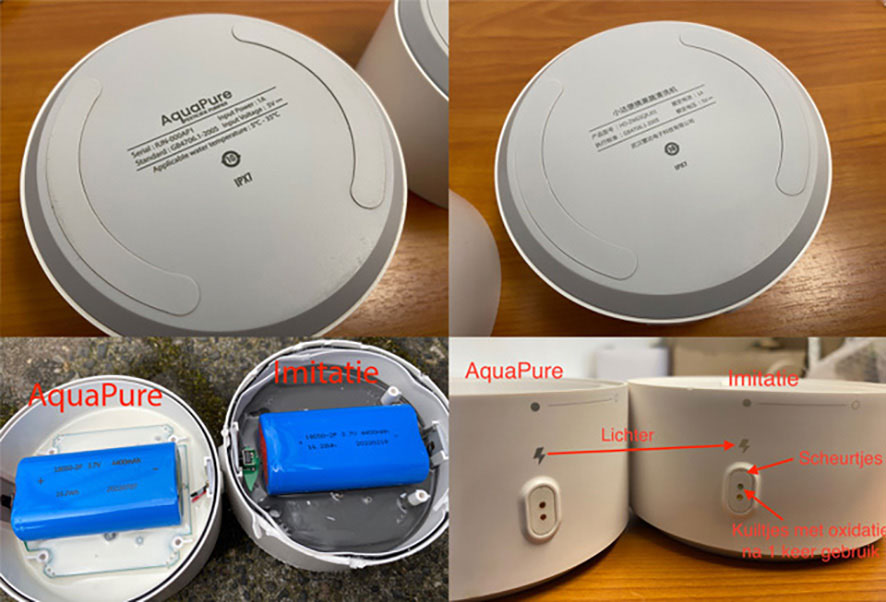
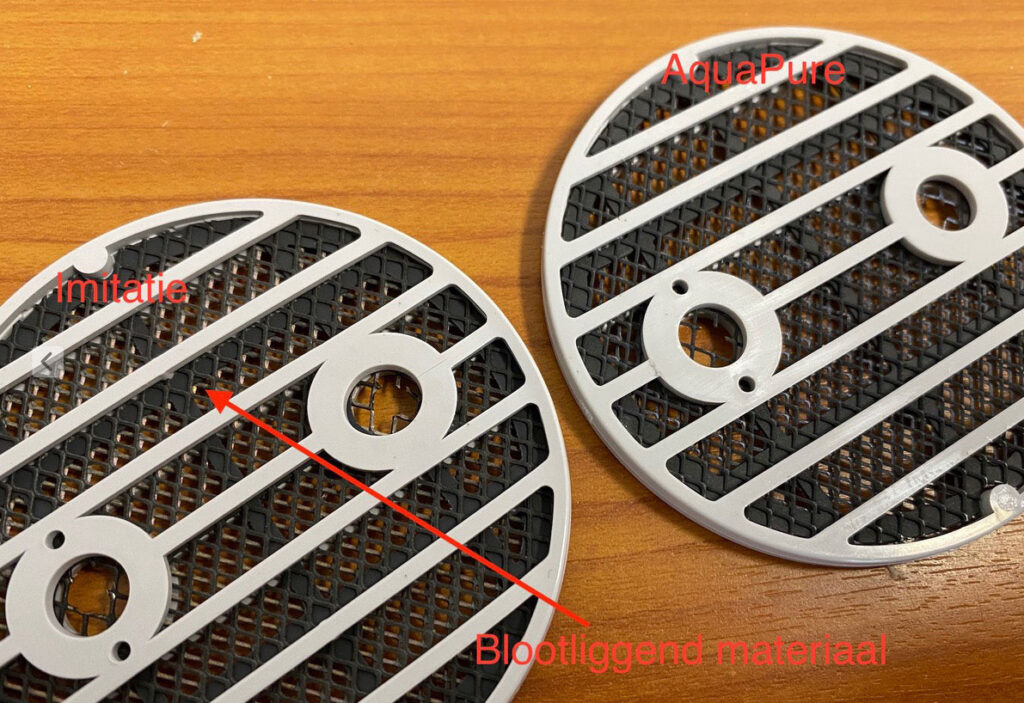
We are often asked whether inexpensive generic versions or identical Chinese copies of this product are just as good. We strongly advise against this. Counterfeit devices may have stainless steel electrolysis plates, which, according to studies (8), can release harmful and carcinogenic chromium-6. That is why the cathode of the AquaPure is made of titanium and the anode is coated with ruthenium-iridium for added safety. Even though it’s hard to tell at a glance, counterfeit models look slightly different—especially on the inside:

AquaPure vs. imitation

It's very important to choose reliability. The AquaPure has independent test results, which is by no means guaranteed with cheap knockoffs.

For a smaller amount of fruits and vegetables, one 5-minute cycle followed by an additional 5 minutes of soaking time is sufficient. For a larger portion in a larger container, we recommend 2 cycles of 5 minutes each, followed by 5 minutes of soaking time. In principle, you can now use the electrolyzed water for a second portion, but AquaPure itself recommends starting over with fresh water. This way, we can be sure there is no contamination from pesticides carried over from the previous portion. After treatment, it’s important to rinse your fruits and vegetables briefly under the faucet.

A pinch (tip of a knife) of salt in a regular container of water is enough. Add the salt to the container, then fill it with water. Stir a little more if you see any undissolved salt. Once the salt has dissolved completely in the water, the AquaPure can be used.

Most AquaPure devices are easy to open. However, on some models, the lid may be difficult to remove, especially if it isn’t screwed on straight or if there is moisture or sand between the lid and the device. It is therefore recommended that you only open the AquaPure when it is dry. If you still need to open the cover and it is stuck, try using a fork with a plastic handle. Insert the tip of the fork into the smallest opening of a slot in the cover to remove it.

In principle, you can use the “ AquaPure ” in any container—usually a stainless steel sink or a plastic basin. However, we prefer glass. IKEA sells a 28-cm glass bowl called TRYGG for just a few euros.

It's as if this bowl were made for the AquaPure , because, as you can see, it fits perfectly on the bottom. It doesn't get any cheaper or healthier than this!

The effectiveness of the AquaPure has been demonstrated, among other things, in a Dutch laboratory study conducted by Eurofins. This study showed that the AquaPure can reduce glyphosate in water by about 60% in a single cycle. A more recent study from AquaPure shows that two cycles can remove more than 95% of the glyphosate on the skin. Older studies from AquaPure also demonstrate that this device is effective. All tests were conducted in international standard laboratories with strict safety protocols. All results can be found onthis webpage from the manufacturer.

In addition, there are many independent studies available on PubMed that show that electrolysis is capable of effectively breaking down pesticides (1, 2, 3, 4, 5, 6, 7).

You should not treat cut vegetables and (dried) fruit with the AquaPure , not only because the vitamins and minerals will leach out, but also because these foods can absorb the electrolyzed water. Electrolyzed water contains aggressive free radicals that effectively neutralize pesticides, but you don’t want to ingest them. That’s why it’s important to rinse your fruits and vegetables under the faucet for a moment after cleaning them. Alternatively, you can briefly soak them in a bowl of filtered water. Always let your fruits and vegetables dry thoroughly after washing before putting them in the refrigerator; otherwise, they may develop mold.

We recommend washing at least everything on the so-called “Dirty Dozen” list with the device. These include strawberries, nectarines, apples, grapes, bell peppers, cherries, peaches, pears, celery, and tomatoes. For fruits and vegetables on the “Clean Fifteen” list or those that are organic, a thorough rinse under the faucet is sufficient. There’s no point in cleaning fruits and vegetables with thick skins, such as bananas, oranges, kiwis, onions, mangoes, pineapples, melons, or avocados. The device is only suitable for whole (leafy) vegetables and fruits. It’s best to peel conventional potatoes; they don’t need to be treated with the AquaPure . We recommend eating organic potatoes with the skin on. You can treat them, but it isn’t strictly necessary if you scrub them thoroughly under the faucet with a brush beforehand. Mushrooms can absorb moisture, so we advise against treating them. Mushrooms, incidentally, are on the “Clean Fifteen” list, so it’s not strictly necessary to wash them thoroughly.

The AquaPure is designed to provide you with many years of enjoyment. To extend its lifespan, it’s important to keep a few things in mind. Here are 7 important tips for using the AquaPure and ensuring the device’s long lifespan:

  1. Don't use too much salt—a pinch is enough!
  2. After use, dry the device thoroughly, paying special attention to the charging contacts to prevent corrosion.
  3. Don't use water that's too cold; it's better if it's about room temperature.
  4. It's better to wash a lot of fruits and vegetables all at once than to wash just 1 or 2 at a time. That way, you'll conserve battery power.
  5. Do not turn on the AquaPure unless it is in the water.
  6. Also, never store the device for an extended period of time with a dead battery, as this can damage the battery.
  7. Clean your AquaPure regularly; see also the user manual.

It's a bummer that the AquaPure isn't working anymore. There are a few steps you can try to fix the problem and see if we can get the device up and running again.

  • If it no longer charges properly: Moisten the charging port with (organic) vinegar and let it soak in for a while (on a kitchen towel—apply the vinegar and let it sit for half an hour). Then scrape the charging port with a sharp knife or other object to remove dirt or rust (corrosion). Next, recharge the AquaPure .
  • Make sure the device is fully charged. To do this, connect the device to the charger and let it charge for at least 5 hours. Make sure the charger is properly connected to both the device and a power source.
  • Once the device is fully charged, you can perform a hard reset. To do this, press and hold the power button for about 10–15 seconds until the device turns off. Then release the power button and try turning the device back on.
  • If the device still won't turn on, try connecting it to a different power source or use a different charging cable. Sometimes, defective cables or power sources can prevent the device from charging properly.

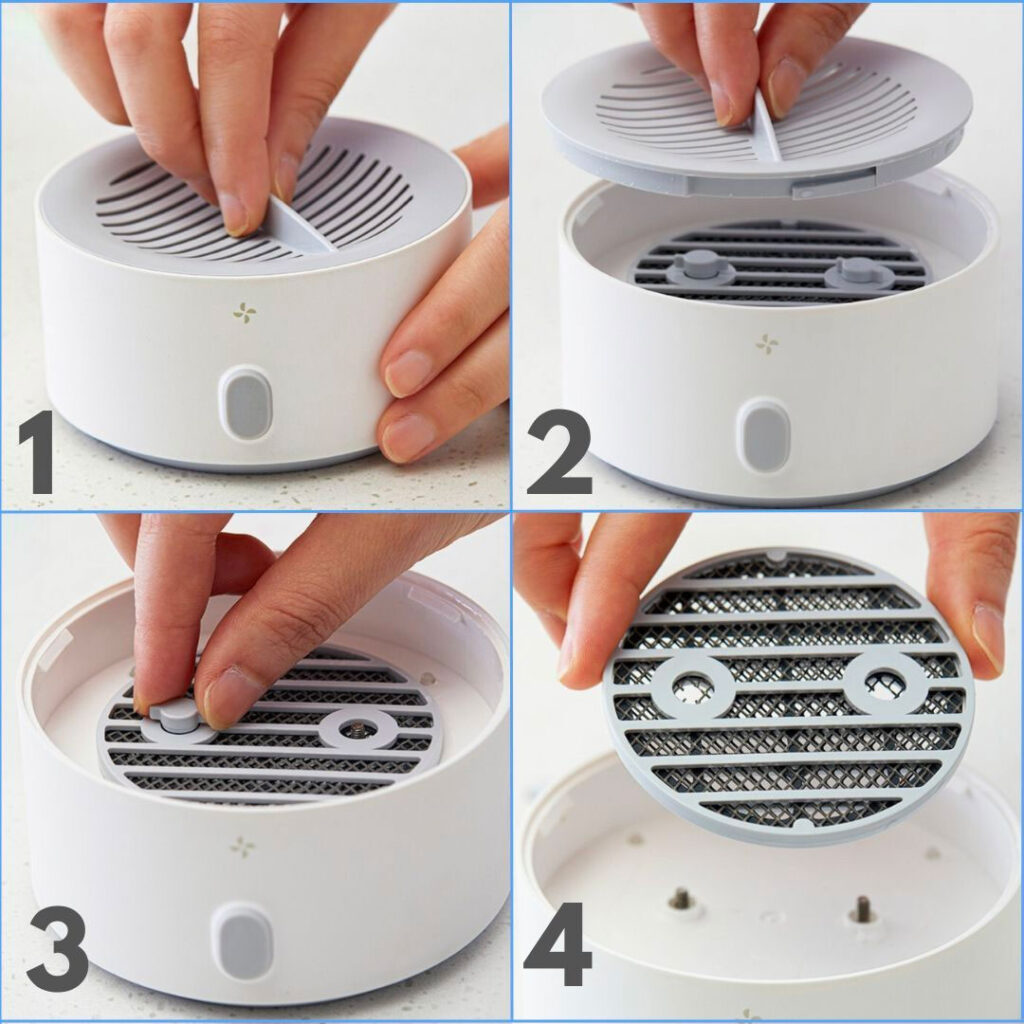
It's also possible that some parts have come loose. To fix this problem, follow the steps below:

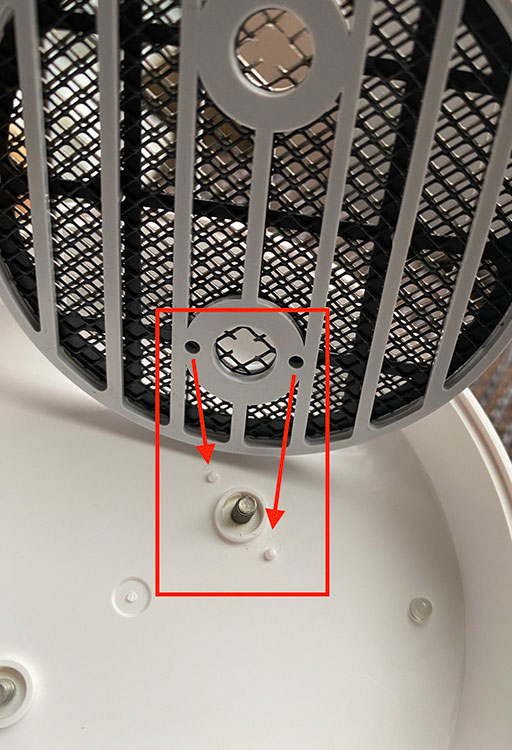
  • Open the top of the device, and you'll see two screw knobs. See the image below.
  • Next, turn the two screw knobs to make sure they are tight.
  • Also check to make sure the grate is properly in place (you'll see two indentations on the grate and two protrusions on the appliance; they can only fit together one way).
  • Screw the top back on and charge the AquaPure for up to 5 hours.
Problem Solving AquaPure

If your AquaPure still isn't working after following the steps provided, we'd like to receive a short video of your AquaPure device showing the issues you're currently experiencing. We'd also appreciate a photo of the bottom of the device, the side with the power button, and the side with the charging port. You can easily send this to us via WhatsApp; otherwise, please contact us.

The AquaPure is made of stainless steel and ABS plastic. Acrylonitrile butadiene styrene (ABS) is a recycled plastic compound that is itself fully recyclable. ABS is also generally considered to be more durable, have a longer lifespan, and be easier to recycle than PVC.

Over time, exposure to oxygen and water can cause the contact points to oxidize or corrode. This, in turn, can prevent proper contact with the charging cable, causing the device to stop charging. So if the AquaPure no longer charges (the charging cable is plugged in, but the red light no longer flashes), it’s likely that there’s corrosion on the contact points, which is the cause of the problem. With the AquaPure , it’s important to make sure it’s completely clean and dry after each use; otherwise, corrosion will form on the contact points (especially there). This is because there’s salt in the water, and the combination of water and salt—along with not drying it off—causes corrosion on the device. You’ll notice this mainly on the contact points and on the small grille inside.

So check to see if you can still see a golden color on the contacts. If there’s no golden color visible—or if it’s gone from just one contact—then there’s corrosion on the contacts. To fix the problem, do the following. Dip a piece of paper towel in (organic) vinegar and then place (or tape) it onto the contacts so that they come into contact with the vinegar. Let it sit for an hour. Then rinse the device under the faucet and gently scrape the contacts clean with a small kitchen knife. Once they’re clean again (you’ll see the gold color return), try charging it again. It should work normally after that.

If this is the solution, then you’ll know that you need to keep the contacts clean and dry from now on. Also, don’t use too much salt, as it can cause corrosion on the
contacts. If this doesn’t solve the problem, please contact us.

The manufacturer rigorously tests countless different pathogens and chemicals. This takes some time, as all tests must comply with an internationally recognized standard for laboratory testing.

AquaPure s have been proven to remove up to 99.9% of pesticides, bacteria, and other harmful substances from your fruits and vegetables. All tests are conducted in international standard laboratories with strict safety protocols. You can find all the results onthe manufacturer’s website.

After daily use or any use, simply rinse your AquaPure briefly under the faucet. Make sure to rinse the entire device, giving the water a moment to flow through the small grille. Then dry everything off, making sure not to forget the charging port to prevent corrosion. After that, you can turn the device upside down for a moment to let any excess water drain out from the inside. Then turn it right side up again and let it air dry. It’s important not to skip this last step; otherwise, moisture and condensation will remain inside, which can shorten the lifespan of your AquaPure .

It’s a good idea to take the AquaPure apart once a month and give it a thorough cleaning by removing the cover, wing nuts, and electrolytic plate, then cleaning everything thoroughly with a cloth or small brush. You can then put it back together. When reattaching the small grid, make sure you do so correctly. You can tell by the indentations and bumps, as shown below:

AquaPure Post a schedule

With daily use, the device should be charged every two to three weeks.

Gebruik de magnetische oplaadkabel die je in jouw AquaPure doos krijgt. Houd de kabel vanuit de juiste hoek dicht bij de oplaadpoort op de AquaPure en je zult merken dat hij gewoon vastklikt! Simpel als dat.

Wij raden je in geen geval aan om het water na zuivering te gebruiken als bron voor schoon drinkwater.

Soms kan het zijn dan het apparaat na het schoonmaken geen witte mist laat zien of
niet licht borrelt. Meestal maakt de elektrolytische plaat dan geen goed contact met de
elektrolyseplaat doordat de vleugelmoertjes niet helemaal recht zijn teruggezet. Dit is soms
even een paar keer proberen, maar lukt nadien altijd. Na een aantal keren zal je zien dat het
apparaat weer als vanouds werkt.

Als je dus geen luchtbellen (borrelen of bruisen) uit jouw AquaPure ziet komen, schakel het apparaat dan uit en haal het uit het water. Draai de bovenklep linksom naar de ontgrendelde stand door aan de hendel te draaien. Wanneer de bovenste kap is verwijderd, draai je de moertjes op de binnenste elektrolytcomponenten met de klok mee om ze vast te zetten. Dit zou het probleem onmiddellijk moeten oplossen.

Mocht dat toch niet werken, dan controleer even of het roostertje binnenin goed zit. Je kan dit zien door de 2 kuiltjes die aan een kant op het roostertje zitten bij een gat. Deze passen precies op de 2 bultjes die op aan apparaat zitten aan 1 kant bij de elektrode. Zie ook afbeelding hieronder:

AquaPure Post a schedule

If you prefer to wash all your fruits and vegetables at once, we recommend running multiple wash cycles.

Our recommendations for optimal cleaning results are as follows:

1 to 3 liters of water: One cleaning cycle
4 to 6 liters of water: Two cleaning cycles
7 liters of water or more: Three cleaning cycles

To start a new cycle, simply click the ON button again. For better cleaning performance, we recommend adding a pinch of salt.

Yes, the AquaPure is phthalate-free, contains no traces of PVC, and is completely BPA/BPS-free.

Absoluut! Maar zorg ervoor dat je jouw gootsteen van tevoren goed schoonmaakt om de best mogelijke resultaten te bereiken.

After daily use or after each use, simply give your AquaPure a quick rinse under the faucet. Make sure to rinse the entire device, taking a moment to let the water flow through the mesh screen. Then dry everything off, making sure not to forget the charging port to prevent corrosion. After that, you can turn the device upside down for a moment to let any excess water drain out from the inside. Then you can turn it right side up again and let it air dry. It’s important not to skip this last step; otherwise, moisture and condensation will remain inside, which can shorten the lifespan of your AquaPure . It’s a good idea to take the AquaPure apart once a month for a thorough cleaning by removing the cover, wing nuts, and the electrolytic plate, and then cleaning everything thoroughly with a cloth or small brush. You can then put it back together. When reattaching the grille, make sure to do so correctly. You can tell by the indentations and bumps; see below:

AquaPure Post a schedule

100 x 50 millimeters / 3.94 x 1.97 inches

The included charging cable has a USB connector. That means you can charge your AquaPure with any USB plug (not USB-C) you have at home. Like the one that comes with a phone charger, for example!

Yes, the magnetic charging cable is included in the box. It’s tucked away quite well, though, because it’s in the double bottom of the box. PLEASE NOTE! There’s no plug included, but it uses a standard USB plug that just about everyone has lying around at home these days.

Yes, every AquaPure comes with a 2-year warranty.

The AquaPure is a one-time investment built to last. There are no expensive filters or other parts that need to be replaced.

Yes, this is available and you candownload it here.

Veelgestelde vragen Moon Flow Thee

Moon Flow and Baby Flow Tea

You can start drinking the tea on any day of the month. Depending on your symptoms and where you are in your cycle, choose the right tea. If you’re only drinking Baby Flow or only Moon Flow, it doesn’t matter when you start. If you’re drinking both, check our webpage on how to use them (or below) to see when it’s best to start with which tea.

Wanneer drink je welke Moon Flow thee

Please note:

If you only drinkMoon Flow tea–> drink it starting in the second half of your cycle, at the very least. Are you experiencing very severe symptoms, or do you have PCOS or endometriosis? If so, drink 1 to 2 cups of tea every day.

If you only drinkBaby Flow tea–> drink it from the start of your period through ovulation.

Mom Flow Tea

Are you pregnant or did you just have a baby? Congratulations! What a special and exciting time lies ahead for you. TheMom Flow tea linewas developed especially for all (expectant) moms. Check out our webpage on how to use the teas (or see below) to find out when it’s best to start with which tea.

We recommend drinking at least 1 to 2 cups a day. You can always have more!

It's simple: just make sure you have a good stainless steel filter or disposable filters. Then scoop two teaspoons of your favorite tea into the filter and pour hot water over it. Of course, you can also use a measuring spoon.

Because it contains lady's mantle and raspberry leaves, it is recommended that you avoid drinking this tea during pregnancy. You can start drinking it again starting in week 38. Are you pregnant? If so, check out the Mom Flow herbal teas for during and after pregnancy. Those are safe to drink.

Moon Flow tea
This tea is available in three varieties: Original, Tropical Summer, and the Winter Edition. All the flavors are mild and subtle—so no unpleasant herbs! The Tropical Summer variety has some extra dried fruit added, which makes it slightly sweeter. The Winter Edition includes herbs such as cinnamon, cardamom, and ginger!

Baby Flow
The Baby Flow has a slightly fresher flavor than the Moon Flow tea. This is mainly due to the small amount of peppermint. And don’t worry—even if you’re not a fan of peppermint, you’ll still love this flavor because it’s quite subtle.

The herbs in the tea also have a diuretic effect. This may mean you’ll need to go to the bathroom a little more often at first. It’s nothing to worry about!

No, you buy the tea as loose herbal tea in 75-gram bags. So it’s a good idea to get a tea strainer so you can brew the tea. We always recommend a larger strainer instead of a tea strainer or tea infuser because tea leaves and herbs often expand a bit in the water and need space to release their flavor properly.

Ingredients for Moon Flow Original tea

Lady's mantle, raspberry leaf, orange peel, fennel, stinging nettle, lemon balm, lemongrass, sunflower blossom

Ingredients for Moon Flow Tropical Summer tea

Lady's mantle, raspberry leaves, orange peel, fennel, stinging nettle, lemon balm, lemongrass, sunflower blossoms, pineapple, apple, orange slices, strawberry, safflower petals, natural flavor, marigold petals

Ingredients Moon Flow Winter Tea

Lady's mantle, raspberry leaf, orange peel, fennel, stinging nettle, lemon balm, lemongrass, sunflower blossom, cinnamon, star anise, ginger, cardamom, cloves

Ingredients in Baby Flow tea

Lady's mantle, raspberry leaf, lemon balm, stinging nettle, passionflower, red clover, ginger, angelica, black cohosh, goji berries, peppermint, pomegranate

Ingredients for Mom Flow Mom’s Delight Tea

Stinging nettle, oat straw, lemon balm, ginger, chamomile, rosehip

Ingredients in Mom Flow Mom’s Nourish Tea

Stinging nettle, verbena, lemongrass, raspberry leaf, galega (goat's rue), blessed thistle, hibiscus, rosehip, rose petals, marshmallow leaf

Ingredients in Mom Flow Little Tummy Care Tea

Honeybush, caraway, anise, fennel, stinging nettle, chamomile

Veelgestelde vragen MLS wasmagneten

Naast vele tevreden klanten wereldwijd, zijn de MLS Wasmagneten in het aller begin uitvoering getest door een onafhankelijk laboratorium. Klik hieronder op één van de onafhankelijke laboratoriumtestrapporten van een van de grootste testbedrijven ter wereld:

Het verifieert dat de MLS Wasmagneten inderdaad kledingstukken reinigt en geen schade toebrengt aan kleuren of de treksterkte van jouw kleding. De technologie van de MLS Wasmagneten wordt ook beschermd door twee patenten.

De MLS Wasmagneten (wassen zonder wasmiddel) zijn totaal anders dan alles wat je eerder hebt gezien of gehoord. Ze worden niet eens graag wasballen genoemd, omdat dit zo’n uniek proces en unieke technologie is. Dit is een tweemaal gepatenteerde technologie die gebaseerd is op het benutten van permanente magnetische kracht om het wasproces te ondersteunen. De meeste “wasbal”-producten, zijn meestal kleine chemische balletjes in een geventileerde, ronde plastic bol. Deze chemische balletjes zijn na een aantal wasbeurten op en moeten dan weer worden bijgevuld. Vanuit milieuoogpunt is het nog steeds een beetje beter dan wasmiddel, maar het proces blijft chemisch (vergelijkbaar met wasmiddelen) en is dus totaal anders dan de MLS Wasmagneten.

Allereerst moet je weten dat je kleding niet met zeep wast en dat heb je waarschijnlijk nooit in je leven gedaan. Wasmiddelen zijn geen zeep. Het zijn petrochemicaliën die zijn afgeleid van ruwe olie. Water is het universele oplosmiddel. Water is wat uiteindelijk jouw kleding reinigt of je nu wasmiddelen of MLS Wasmagneten gebruikt. Al deze producten helpen water om beter te reinigen. MLS Wasmagneten doen het op een chemicaliënvrije, volledig hernieuwbare magnetische basis, terwijl zij het doen met niet-hernieuwbare petrochemicaliën. Magnetische kracht is een van de krachtigste natuurkrachten op aarde. In feite is de aarde zelf al een gigantische magneet met een noord- en zuidpool. Het is een geweldige bron van natuurlijke energie. Zelfs de zwakke magneten op jouw koelkast trotseren de zwaartekracht zonder batterijen of aangesloten op een stroombron. MLS Wasmagneten benutten gewoon die verbazingwekkende kracht en concentreren deze in jouw wasmachine thuis om het water te beïnvloeden. Op atomair niveau wordt alles beïnvloed door magnetisme. Het enige dat je hoeft te doen, is het zelf proberen en de resultaten met jouw eigen ogen zien. Dus ja, je kan wassen zonder wasmiddel!

Dit lijkt een zekerheid. Wasmiddelen zijn chemische oppervlakteactieve petrochemicaliën afgeleid van ruwe olie. De basisbouwstenen voor oppervlakteactieve stoffen, op één uitzondering na, zijn allemaal afgeleid van ruwe olie. Tenzij wasmiddelbedrijven ervoor kiezen hun winstmarges te verlagen om de kosten van wasmiddel laag te houden, zal je steeds meer betalen voor wasmiddel, net zoals je steeds meer betaalt om jouw auto van brandstof te voorzien. Naarmate de grondstofkosten voor wasmiddel stijgen, nemen ook de wasmiddelkosten voor de eindgebruikers toe. Bovendien zijn hun plastic containers (die zijn gemaakt van slechts 25% gerecycled plastic) gemaakt van petrochemicaliën en het verzenden van deze omvangrijke en zware flessen kost meer vanwege recordhoge brandstofprijzen. Deze extra kosten worden uiteindelijk ook door de eindgebruiker betaald.

Optische witmakers zijn alleen effectief als ze na het wassen op de stof achterblijven, waardoor ze voortdurend worden ingeademd en in aanraking komen met en opgenomen worden in jouw huid. Kleding die is gewassen in wasmiddelen die deze middelen bevatten, laat een mogelijk gezondheidsbedreigend chemisch residu achter op de stof. Huiduitslag die vaak wordt toegeschreven aan geur- en kleurstoffen, wordt vaak veroorzaakt door optische witmakers, dus optische witmakers mogen niet worden gebruikt door personen met een gevoelige huid.

Optische witmakers bevatten chemicaliën die giftig kunnen zijn voor vissen en andere dieren en planten. Van velen is ook aangetoond dat ze mutaties in bacteriën veroorzaken (seventhgeneration.com). Bovendien zijn deze chemicaliën niet gemakkelijk biologisch afbreekbaar, waardoor de vervuiling lange tijd in het afvalwater blijft zitten, wat een negatieve invloed heeft op de waterkwaliteit en het leven van dieren en planten. Dus in de supermarkt wil je misschien opmerkingen vermijden zoals: “Fleurt kleuren op! Witter wit!”, vanwege de zorgen over wat je echt krijgt.

Dat hangt af van jouw definitie van “schoon” en “helder”. Wanneer je het gebruik van de MLS Wasmagneten (wassen zonder wasmiddel) vergelijkt met wasmiddel, moet je met een paar dingen rekening houden. Ten eerste zijn wasmiddelen geen zeep. Het zijn chemische oppervlakteactieve petrochemicaliën die rechtstreeks uit ruwe olie zijn afgeleid en deze chemicaliën zijn zo ontworpen dat ze niet volledig worden uitgespoeld na het wassen van jouw kleding. Ze laten zogenaamde “optische witmakers” achter, dit zijn synthetische chemicaliën die meer licht van de kleding weerkaatsen om er “helderder” uit te zien voor het oog. Wij geloven niet dat het toevoegen van wat in feite chemische spiegels van een kledingstuk zijn, het schoner maakt. Deze synthetische chemicaliën zetten UV-lichtgolflengten om in zichtbaar licht, waardoor gewassen kleding er witter uitziet (hoewel dit geen invloed heeft op de reinheid van de kleding). Ze blijken giftig te zijn voor vissen en bacteriële mutaties te veroorzaken. Bovendien kunnen ze allergische reacties veroorzaken wanneer ze worden blootgesteld aan huid die later wordt blootgesteld aan zonlicht.

Omdat deze chemicaliën de mogelijkheid hebben om gezondheidsproblemen te veroorzaken en milieuproblemen kunnen veroorzaken, zijn we van mening dat het achterlaten ervan op de kleding de reinheid ervan ernstig in gevaar brengt. De meeste mensen zijn zich er niet eens van bewust dat potentieel schadelijke petrochemicaliën afkomstig van ruwe olie constant op hun kleding zitten, wat mogelijk huid- en ademhalingsproblemen bij de drager veroorzaakt. We definiëren schoon als vrij van chemicaliën, niet schadelijk voor de drager en niet giftig voor het milieu, naast dat het optisch acceptabel is. Maar alleen jij, de gebruiker van het product, kan dat bepalen. We hebben het gevoel dat er veel mensen zijn, net als wij, die niet de hele dag met petrochemicaliën en optische witmakers in hun kleding willen rondlopen.

Absoluut. We raden alleen aan dat als je een voorlader hebt, je de MLS Wasmagneten in een paar sokken of broekzakken stopt voordat je de wasbeurt start. Dit elimineert elk geluid dat de kracht van de horizontale as kan veroorzaken. En hoewel magnetische kracht niet in direct contact mag staan met elektronica, wordt de magneten gebruikt in de trommel en is het ver genoeg verwijderd om bij correct gebruik geen invloed te hebben op de elektronische bedieningselementen. Laat ze gewoon niet op het elektronische bedieningspaneel rusten. Ook wegen de twee magenten samen slechts een fractie van één natte spijkerbroek. Je hoeft je dus geen zorgen te maken over significant extra gewicht.

Dit is geen probleem en heeft geen nadelige invloed op hun kracht om schoon te maken. Als je ze van elkaar wilt scheiden, kun je ze bijvoorbeeld in verschillende zakken van een broek (die je wast) stoppen om ze gescheiden te houden.

Het meest voor de hand liggende en belangrijke feit is dat het gebruik van de MLS Wasmagneten, in plaats van wasmiddelen, voorkomt dat petrochemicaliën in onze watervoorziening worden gedumpt. Onze meest waardevolle natuurlijke hulpbron (water), die cruciaal is voor het voortbestaan van de mens, blijft hierdoor behouden. Minder dan 1% van de watervoorraad in de wereld wordt als drinkbaar beschouwd en het behoud van de kwaliteit van deze onvervangbare hulpbron is van het grootste belang voor het leven van mens, dier en vegetatie. Bovendien kan het omzeilen van de spoelcyclus enorm extra waterverbruik (20-40 liter water per wasbeurt), elektriciteit (voornamelijk afkomstig van het verbranden van kolen en olie, die grote vervuilers zijn), aardgas (voor het verwarmen van het extra water) en riolering besparen. Het kan mogelijk ook helpen de oorzaken van de opwarming van de aarde te verminderen – aangezien er wereldwijd zo’n enorme hoeveelheid wasmiddelen wordt gemaakt en gebruikt, worden er aanzienlijke hulpbronnen (fossiele brandstoffen) gebruikt bij de productie en levering ervan.

Veel voordelen. Het belangrijkste is dat als jij of jouw gezin last heeft van wasmiddelgerelateerde klachten, zoals huidproblemen en/of ademhalingsproblemen, je het aan jouw gezondheid verplicht bent om over te stappen op een niet-chemisch alternatief product.

Vanuit financieel oogpunt zou je honderden euro’s per jaar moeten kunnen besparen op wasmiddelen. Dit kan zelfs nog meer zijn als je de spoelcyclus overslaat, aangezien deze niet langer nodig is (wat ook 20 tot 40 liter water per wasbeurt zou besparen, goed voor het milieu).

Je bespaart tijd, vermindert jouw inspanning met jouw wasgoed en voorkomt dat je elke keer zwarte flessen of pakken wasmiddelen uit de winkel sleept. Je garderobe (wat een aanzienlijke investering is) kan veel langer meegaan vanwege de vermindering van agressieve chemicaliën. Het maakt jouw huis “groener” en ook kindvriendelijker door de hoeveelheid gifstoffen in huis te verminderen.

Het kan een enorme impact hebben op het milieu door minder chemische middelen en onze afhankelijkheid van buitenlandse petrochemicaliën te verminderen (Ja, wasmiddelen zijn petrochemicaliën die zijn afgeleid van ruwe olie).

Etc. etc.

Over het algemeen zorgt warmer water altijd voor de schoonste kleding of je nu het MLS Wasmagneten of wasmiddel gebruikt. Denk eens aan wanneer je de afwas doet in de gootsteen. Het koude water zal vastzittend voedsel reinigen, maar het hete water zal het voedsel sneller en efficiënter verwijderen met minder waterverbruik. In je wasmachine is het net zo.

Voor verschillende kledingstukken en materialen kan het echter nodig zijn dat je lagere temperaturen gebruikt en je kunt dit gewoon blijven doen. Veel klanten melden uitstekende resultaten door alleen koud water te gebruiken met de MLS Wasmagneten. Om de hierboven geschetste reden bevelen we nog steeds graag warm water aan gebruikers aan, maar je hebt uiteindelijk de vrijheid om het product op verschillende manieren te testen en de optie te kiezen die het beste bij jouw persoonlijke situatie past.

Het gebruik van koud water is duidelijk beter voor het milieu (minder energieverbruik), maar bedenk dat de verbazingwekkende gezondheids- en milieuvoordelen van het voorkomen dat petrochemische wasmiddelen in de watervoorziening en op onze huid van veel groter belang zijn. Toch laten de MLS Wasmagneten met koud water bijna geen ecologische footprint achter.

De MLS Wasmagneten (wassen zonder wasmiddel) zijn ontworpen en ontwikkeld om tientallen jaren van dienst te zijn en duizenden euro’s te besparen, aangezien je dus geen wasmiddelen meer hoeft te kopen. Tijdens deze jaren voorkom je ook dat duizenden kilo’s chemicaliën in onze watervoorziening terecht komen en jouw kleding worden doordrenkt met parfum. Dit heeft tevens een positief effect op de gezondheid van jou en jouw gezin.

Er wordt geen geur toegevoegd bij gebruik van de MLS Wasmagneten. De waarheid is dat schone kleren nergens naar ruiken. Ze ruiken niet naar parfum. En de meeste mensen overdrijven aanzienlijk met deze geuren. Ze gebruiken wasmiddelen, vlekverwijderaars en bleekmiddel met parfums in hun wasmachine. Daarna gebruiken ze wasverzachters en/of droogvellen in de droger die nog meer parfums toevoegen. Tevens wassen ze hun lichaam met geparfumeerde zeep en shampoo en drogen ze af met hun geparfumeerde handdoek (nadat ze de hele nacht in geparfumeerde lakens en kussenslopen hebben geslapen). Daarna brengen ze geparfumeerde deodorant aan en sprayen ze hun favoriete parfum. Dit zijn gewoon te veel chemicaliën op het lichaam en soms komt het lichaam in opstand met huiduitslag, ademhalingsproblemen of ziekte.

Als je absoluut niet kunt leven zonder een geurtje op je kleding, gebruik dan gewoon één geurig droogtrommeldoekje. Er is simpelweg geen reden om alle andere geurende chemicaliën op je kleding te stapelen. En je moet weten dat de meeste hiervan erg ongezond zijn voor je huid en luchtwegen, dus hoe minder je gebruikt, hoe beter je bezig bent. Sommige klachten als rode ogen, huiduitslag en loopneuzen zijn niet vanwege allergieën, maar vanwege de parfum en petrochemicaliën die in je kleding zijn achtergebleven.

Ja. Eerlijk gezegd wordt niets zo wit als chloorbleekmiddel, maar er zijn maar weinig chemicaliën die giftiger zijn voor het milieu en de gezondheid. Bleekmiddel is erg extreem en ook schadelijk voor je kleding. Dat gezegd hebbende, als je deze afwegingen niet erg vindt, kan je desgewenst nog steeds verdund bleekmiddel gebruiken met de MLS Wasmagneten (wassen zonder wasmiddel). Een goed alternatief voor chloorbleekmiddel is zuurstofbleekmiddel. Borax is ook een uitstekende natuurlijke wasbooster. Sommige gebruikers van de MLS Wasmagneten voegen zuiveringszout of witte azijn toe aan hun wasgoed.

Nogmaals, de MLS Wasmagneten zijn alleen een alternatief voor wasmiddel. Wasmiddel wordt niet gebruikt om micro-organismen te doden en MLS Wasmagneten dus ook niet. Het reinigingsproces zelf spoelt de meeste bacteriën weg. Heet water zal echter de meeste micro-organismen in het water doden en een beetje bleekmiddel zal hetzelfde doen (hoewel bleekmiddel het beste werkt bij hoge temperaturen, dus dat is dubbelop).

* Een uiterst effectief natuurlijk alternatief: Talrijke onderzoeken tonen aan dat een pure 5 procent oplossing van azijn (zoals je in de supermarkt kunt kopen) 99% van de bacteriën, 82% van de schimmels en 80% van de ziektekiemen (virussen) doodt.

De MLS Wasmagneten zijn alleen een alternatief voor wasmiddel. Net als bij het gebruik van wasmiddel, moeten afzonderlijke producten die voor andere functies worden gebruikt, afzonderlijk worden gebruikt. Denk hierbij dus aan vlekbehandelingen en bleekmiddelen. Deze staan los van de MLS Wasmagneten, net zoals ze los staan van wasmiddel.

De MLS Wasmagneten (wassen zonder wasmiddel) hoeven absoluut niet aan de watertrommel te “plakken” om goed te werken. Er is een verscheidenheid aan wasmachines, van voorladers tot bovenladers, en wastrommels voor binnen, variërend van kunststof, ijzer en roestvrij staal. Het materiaal waarvan de watertrommel is gemaakt maakt niet uit, de MLS Wasmagneten (wassen zonder wasmiddel) werken in alle. De magneten kunnen tijdens het wasproces aan elkaar “plakken”. Dit is volkomen normaal en zal hun effectiviteit niet verminderen, omdat ze nog steeds hetzelfde niveau van magnetische kracht uitzenden, of ze nu naar elkaar toe worden aangetrokken of niet. De wasmagneten hoeven alleen maar te worden ondergedompeld en/of dicht bij het water te staan voor maximale effectiviteit.

Veelgestelde vragen Mayu Swirl

Ja! Wij adviseren deze: Natural Care Company Electrolyten.

Geniet van de schoonheid van uniciteit! Elke MAYU Swirl basis is met de hand vervaardigd, waardoor hij net zo uniek is als een sneeuwvlokje. Deze individualiteit zorgt ervoor dat geen twee basissen identiek zijn, waardoor je een uniek exemplaar in handen krijgt dat een vleugje exclusieve charme toevoegt aan jouw Swirl-ervaring.

Om de karaf en de impeller (witte waaier) van jouw MAYU Swirl goed te onderhouden, moet je ze, bij elke dag gebruik, ook dagelijks (minstens om de dag) schoonmaken met afwasmiddel om ophoping van kalkaanslag op de impeller (de witte schijf in de karaf) te voorkomen. Dit is vooral belangrijk als je kraanwater of mineraalwater gebruikt, of als je iets aan jouw water toevoegt tijdens het wervelen (mineralen, fruit of andere ingrediënten). Als je wijn of sap wervelt, moet je de karaf en impeller na elk gebruik schoonmaken.

De MAYU Swirl karaf is waterdicht en vaatwasmachinebestendig. Als je na regelmatig gebruik met de hand of in de vaatwasmachine kalkaanslag ziet, geen paniek! Voeg een theelepel citroenzuur of azijn toe aan de karaf en vul deze met warm water. Plaats de karaf op jouw MAYU Swirl-basis en laat deze draaien totdat er geen kalkaanslag meer op de wanden van de karaf te zien is. Leeg de karaf en was deze.

We raden af ​​om de impeller in de vaatwasmachine te doen. Was deze in plaats daarvan met de hand. Om vlekken van de impeller te verwijderen, voeg je een kopje water en een eetlepel bleekmiddel (of chloorvrij bleekmiddel) toe. Laat het een nacht weken, spoel vervolgens de bleekresten af ​​en was het grondig met water en zeep.

Als je een karaf hebt waarbij de impeller aan de bodem vastzit, kun je zoiets als dit gebruiken: https://www.amazon.nl/-/en/Flexible-gripper-reacher-removal-bendable/dp/B07Y75N3DW?th=1 om de impeller te verwijderen, schoon te maken en terug in de karaf te plaatsen.

Als jouw gloednieuwe MAYU Swirl niet die betoverende werveling (vortex) creëert, geen nood! Je bent nu de trotse eigenaar van de nieuwste versie, met een vernieuwd karafontwerp. Wellicht ben je namelijk niets vergeten. Binnenin vindt je een klein wit schijfje – de impeller (witte waaier) – zorgvuldig verpakt in vloeipapier en op de schenktuit geplaatst.

De magie ontketenen is kinderspel! Verwijder het vloeipapier, haal de schenktuit van de karaf af, laat het waaiertje voorzichtig in het water in je karaf glijden, zet de schenktuit er weer op en voilà! Laat het wervelen beginnen en geniet van het betoverende schouwspel, precies zoals je het voor ogen had. Bereid je voor op de magie!

Nee, als gedurende het gebruik het glas van de karaf breekt, dan komt dit door eigen toedoen. We weten dat ongelukken gebeuren. Daarom bieden we de karaf ook los aan, zodat je niet een hele nieuwe MAYU Swirl hoeft te kopen. Je vindt hem hier: /producten/mayu-swirl-karaf/.

De MAYU Swirl wordt geleverd met 2 jaar wettelijke garantie. Deze dekt alle defecten die het gevolg zijn van fabricagefouten. Bovendien profiteer je van een kwaliteitsborging, die een duurzaam en betrouwbaar product garandeert.

Bedankt voor de aanschaf van de MAYU Swirl! Dit innovatieve apparaat transformeert jouw drinkwater in gerevitaliseerd, zuurstofrijk water. Volg deze stappen om jouw MAYU Swirl optimaal te installeren en te gebruiken:

Inhoud van de doos:

  • Porseleinen basis
  • USB-oplaadkabel
  • USB-adapter
  • Glazen karaf gemaakt van borosilicaatglas
  • Roestvrijstalen schenktuit
  • Witte waaier (impeller)

Eerste stappen:

  1. Bereid de basis voor:
    • Sluit de USB-kabel aan op de adapter en steek deze in een stopcontact.
    • Steek het andere uiteinde van de kabel in de USB-C-poort aan de achterkant van de porseleinen basis.
    • Het oplaadindicatielampje licht oranje op en wordt wit zodra het opladen voltooid is. Een volledig opgeladen Swirl kan tot 6 uur draadloos worden gebruikt.
  2. Bereid de karaf voor:
    • Maak de glazen karaf grondig schoon met warm water en afwasmiddel en spoel hem daarna goed af.
    • Verwijder de witte waaier uit zijn beschermpapiertje en schuif deze voorzichtig in de karaf.
    • Vul de karaf met maximaal 1,5 liter drinkwater.
  3. Inbedrijfstelling:
    • Plaats de gevulde karaf in het midden van de porseleinen voet.
    • Raak de aanraaksensor aan de onderkant voorzichtig aan om het 'swirlen' te starten.
    • Laat het water minstens 7 minuten ronddraaien voor de maximale zuurstofopname en om het volledig te structureren.

Opmerkingen:

  • Zorg ervoor dat de impeller (witte waaier) vrij op de bodem van de karaf ligt om optimale wervelvorming te garanderen.
  • Indien gewenst kan je na het 'swirlen' mineralen aan het water toevoegen. Raadpleeg hiervoor de doseringsaanbevelingen op de verpakking van de mineralen.
  • Maak de karaf regelmatig schoon om de waterkwaliteit te behouden.

Voor een visuele handleiding voor de eerste stappen en gebruiken van jouw MAYU Swirl raden we onze instructievideo's aan.

Neem gerust contact met ons op als je nog vragen heeft. 

Geniet van je verfrissende water en blijf goed gehydrateerd!

Borosilicaatglas wordt beschouwd als het beste materiaal voor een karaf, omdat het zeer duurzaam, temperatuurbestendig en niet-reactief met water is. Dit maakt het de ideale keuze voor het veilig bewaren en serveren van water, waarbij de natuurlijke smaak en zuiverheid behouden blijven.

Ja, een karaf van borosilicaatglas is perfect voor zowel warm als koud water. Het glas is ontworpen om extreme temperatuurschommelingen te weerstaan, dus je kunt hem veilig gebruiken voor zowel warme thee als koude dranken zonder je zorgen te hoeven maken dat hij breekt.

Een karaf van borosilicaatglas van klasse A bestaat uit glas van de hoogste kwaliteit, dat bestand is tegen chemische reacties en het vrijkomen van schadelijke stoffen. Hierdoor komt er geen schadelijke substantie in jouw water terecht. Zo blijft jouw water zuiver en onverontreinigd.

In tegenstelling tot traditionele glazen karaffen is een karaf van borosilicaatglas extreem bestand tegen temperatuurschommelingen en chemische reacties. Dit betekent dat hij temperatuurschommelingen kan doorstaan ​​zonder te barsten en dat de smaak of kwaliteit van het water erin niet wordt beïnvloed.

Een handgemaakte karaf, met zorg vervaardigd, biedt superieure kwaliteit en esthetiek in vergelijking met massaal geproduceerde artikelen. De MAYU Swirl karaf, gemaakt van 100% borosilicaatglas, zorgt ervoor dat jouw water in een veilige, chemicaliënvrije omgeving wordt bewaard, wat zowel de smaak als de gezondheidsvoordelen ten goede komt.

Een karaf van borosilicaatglas is een hoogwaardige mogelijkheid voor het bewaren en serveren van water. Dankzij de hittebestendigheid en duurzaamheid is het de ideale keuze om de versheid en zuiverheid van het water te behouden en tegelijkertijd te voorkomen dat er chemicaliën vrijkomen.

De waardering van www.alternatievemiddelen.nl bij WebwinkelKeur Reviews is 9,9/10 gebaseerd op 1891 reviews.